Blog
How Caregivers Can Support Mothers Who Want A VBAC
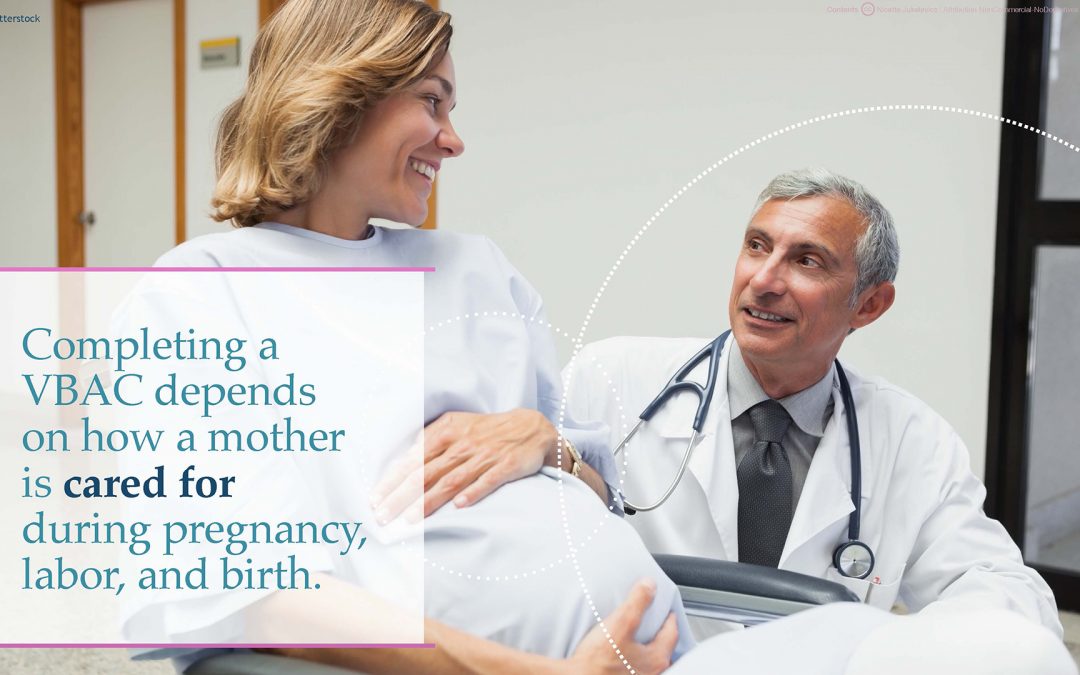
For a mother who has had a prior cesarean birth, understanding the medical pros and cons of laboring for a VBAC is essential, but not enough. She is also likely to need psychological support, guidance for maximizing her chances for a vaginal birth, and access to community resources. It's important to take the time to discuss her options and to find out what her needs are during prenatal visits. Refer her to evidence-based educational resources for additional information and VBAC classes in her community. Provide her with hospital informed consent/refusal forms for each procedure that you...
Healing From A Traumatic Cesarean
Women’s emotional reactions and adjustment to cesarean birth vary widely. Although some women recover fairly quickly and accept the surgical birth as a necessary step to a healthy baby and to becoming a mother, others experience various degrees of sadness, disappointment, anger, violation, loss of self-esteem, guilt, depression, and sometimes post-traumatic stress disorder (PTSD). Some women experience their birth as a traumatic event. Often they are not aware of how the trauma has impacted their life, their sense of self and their feelings about mothering. Because a newborn demands so much...
Still Hearing Scary Stories About VBAC?
Despite the evidence from leading maternity care associations and birth advocacy groups that planning a VBAC (vaginal birth after a cesarean) is a safe option to a routine repeat cesarean, expectant mothers with a prior cesarean are still hearing from their own care providers that VBAC is too dangerous an option to consider. Mothers who want to avoid a routine repeat cesarean, but are experiencing resistance from their caregivers, may want to begin a conversation during their prenatal visits based on these positive VBAC perspectives: *Women who have a trial of labor, regardless of ultimate...
Can I Have a VBAC After a Cesarean for Failure to Progress?
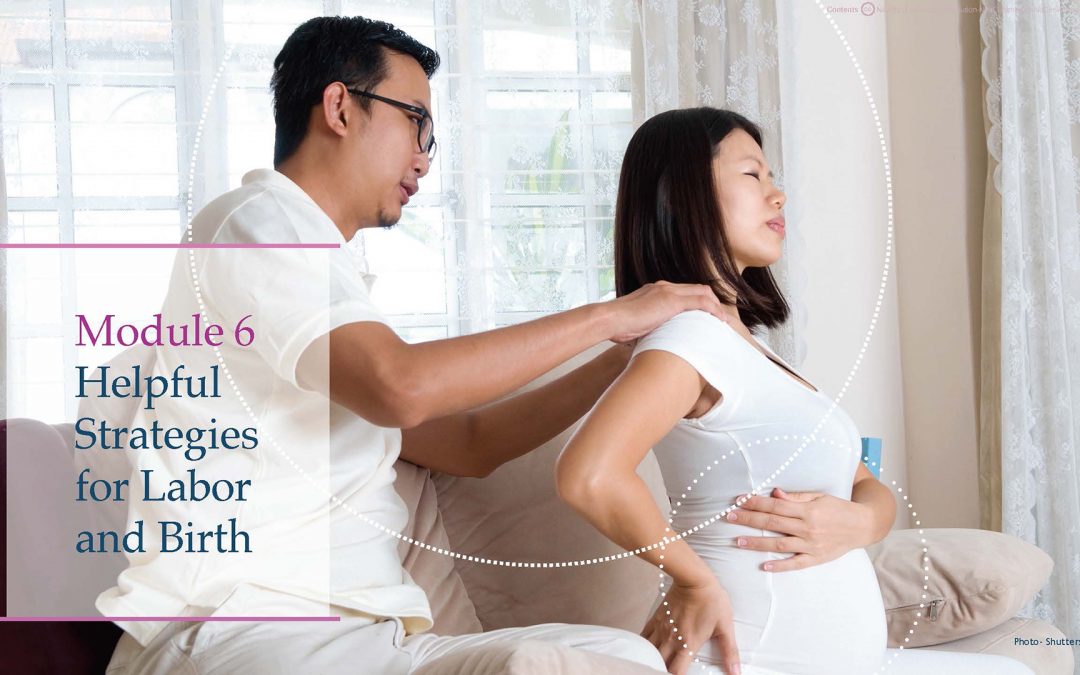
Yes! Failure to progress is one of the four main indications for a cesarean. Often, a woman in labor is restricted to bed and if she has reached full dilation she pushes her baby while on her back. The most painful and most difficult position for giving birth. A U.S. survey of childbearing women found that only 4 out of 10 women walked in labor once they were admitted to the hospital and regular contractions began. Nearly 7 out of 10 women pushed their baby out on their back (lithotomy position). Women who have had a cesarean for failure to progress very often go on to have a...
Having A Baby In The Hospital? This is How You Want To Be Treated.
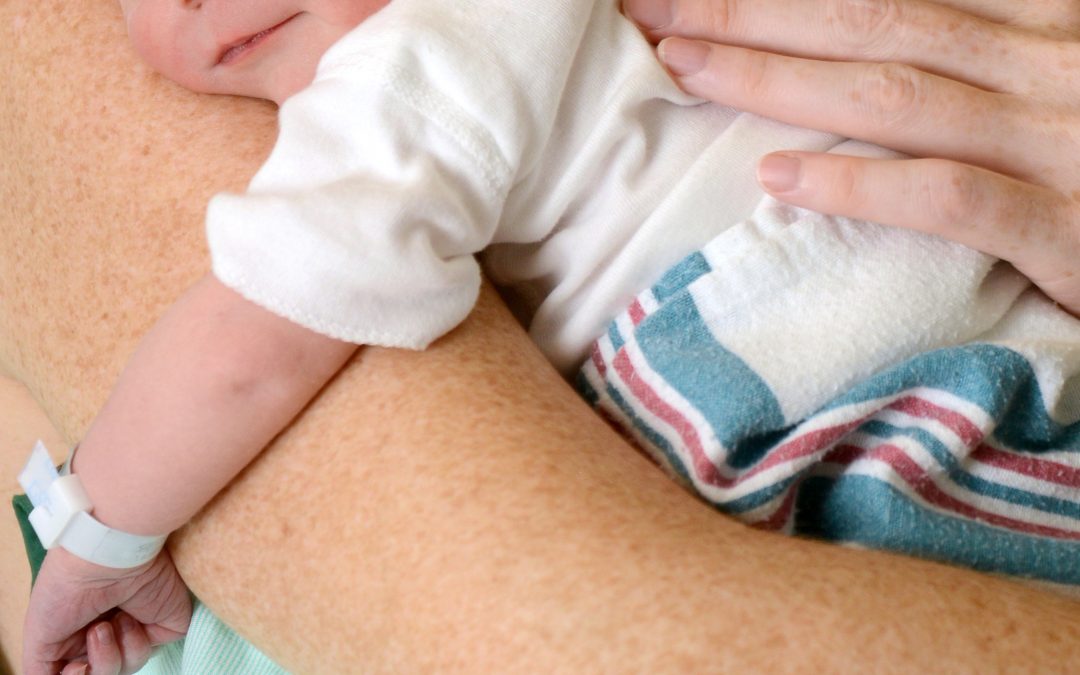
Mothers are often disappointed when they give birth in a hospital that offers none of the options they may have read about on the internet or learned in their childbirth classes. Some are literally traumatized by the care they received. At Cedars-Sinai Medical Center in Los Angeles, a teaching hospital where nearly 7,000 women give birth a month, the maternity care is collaborative and the staff believes in offering women evidence-based care and respecting their needs and preferences. Physicians, midwives, nurses, doulas and childbirth educators work together to provide safe, woman-centered...
What Are People Saying About the VBAC Education Project?
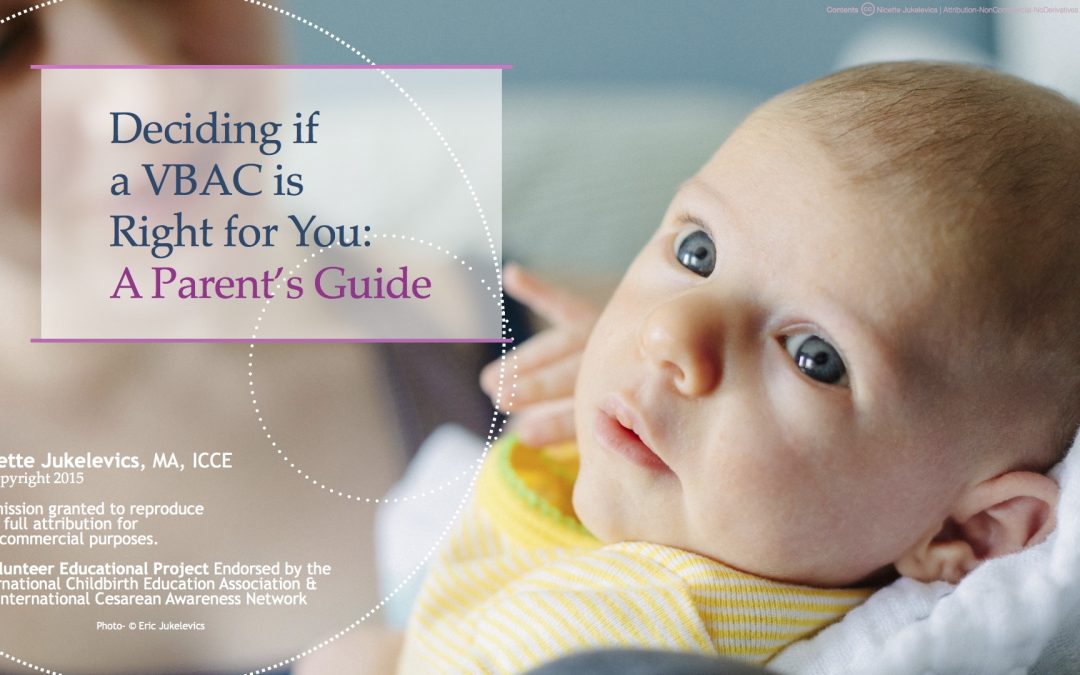
The VBAC Education Project (VEP), endorsed by the International Childbirth Education Association and the International Cesarean Awareness Network, was developed to empower women to make their own decisions about how they want to give birth after a cesarean and to provide VBAC-friendly birth professionals and caregivers with the tools and resources to support them. Since it's launch on-line on August 10, this free, evidence-based teaching tool has received many positive reviews from birth professionals. The VEP is accessed by over 150 countries and is downloaded, on average, 500 times a...

How To Avoid The Avoidable Cesarean
If you are expecting and planning to labor and give birth in a hospital, you may want to find out about outdated care practices that are likely to increase your odds for a cesarean. Knowing about them and discussing them with your caregiver during your pregnancy will help you to avoid unnecessary complications that can lead to the need for a cesarean that could have been avoided. Maternity care experts found that, “ Current obstetric care in the United States remains distinctly different from the rest of the world, applying a high-risk model to all women and overusing costly procedures that...
ACOG Reaffirms the Need to Respect Women’s Choices
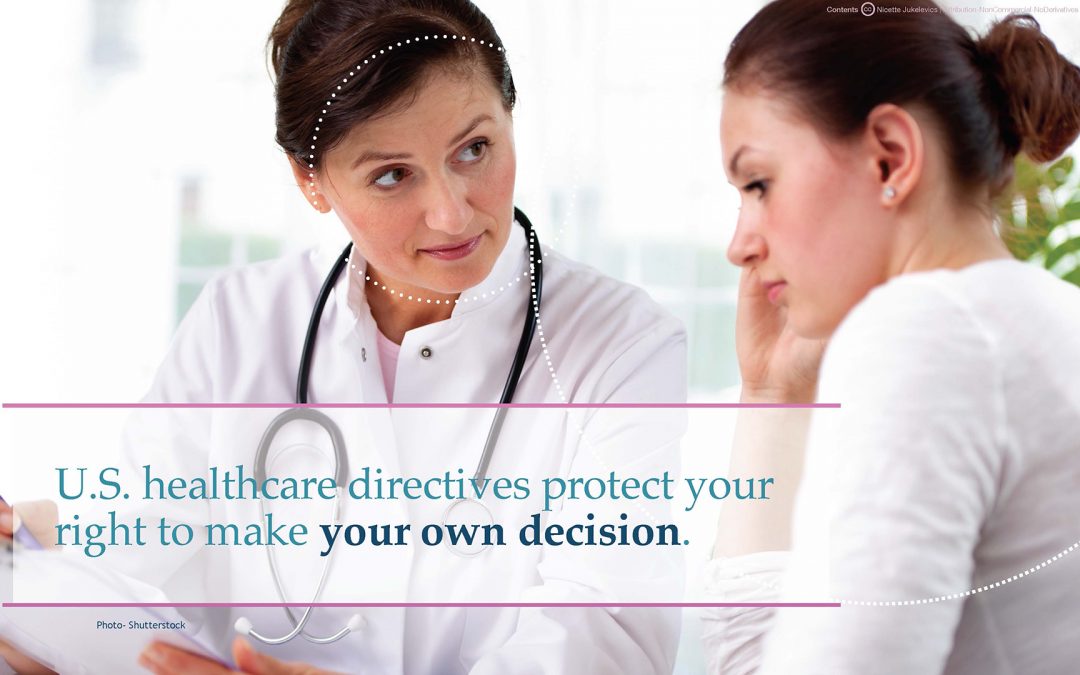
The American College of Obstetricians and Gynecologist Committee on Ethics just published Refusal of Medically Recommended Treatment During Pregnancy. The update to the 2005 Committee Opinion Number 321 reaffirms in no uncertain terms that a woman has the right to refuse any recommended treatment or intervention despite the fact that it may create an ethical dilemma for her obstetrician–gynecologist. With regard to pregnancy and childbirth, a physician may feel strongly that not following through with his or her recommendation may put the expectant mother or her baby at risk but, ACOG...
Professional Midwives Provide Excellent Care for Mothers and Babies
In honor of the International Day of the Midwife 2016, let’s celebrate the excellent and compassionate care they provide to mothers and babies. Compared with physicians caring for similar healthy women, professional midwives offer women more prenatal visits and spend more time counseling and educating expectant mothers about pregnancy nutrition, childbirth and sexuality. Their patients are less likely to develop prenatal or intrapartum hypertension and are less likely to be hospitalized for prenatal complications. Midwives recommend fewer inductions of labor. During childbirth, midwives ...
Reducing the Complications of Cesareans Is Finally Getting the Attention It Deserves
In 2014 the U.S. national cesarean rate was 32.2%, 1.3 million U.S. women gave birth by cesarean. According to the World Health Organization, “cesarean section rates up to 10-15% at the population level are associated with decreases in maternal, neonatal and infant mortality. Above this level, increasing the rate of cesarean section is no longer associated with reduced mortality.” Medical, business, insurance and hospital associations are finally beginning to take this issue seriously. One of the scheduled sessions at this year’s annual American College of Obstetricians and Gynecologists...
Understanding the Dangers of Cesarean Birth: Making Informed Decisions
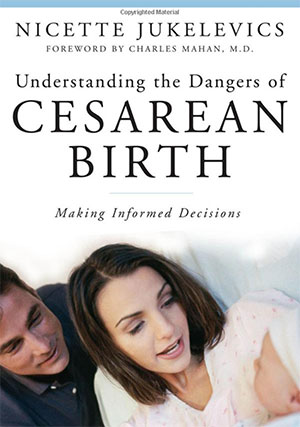
By: Nicette Jukelevics
Foreword by
Charles Mahan, M.D.
Critically examines the increasing use of cesarean deliveries for childbirth, the risks, outcomes, and other issues women need to consider to make an informed decision whether to have a natural birth or a cesarean.