Blog
Support and Encouragement from Nurses Can Help Mothers Achieve Their VBAC
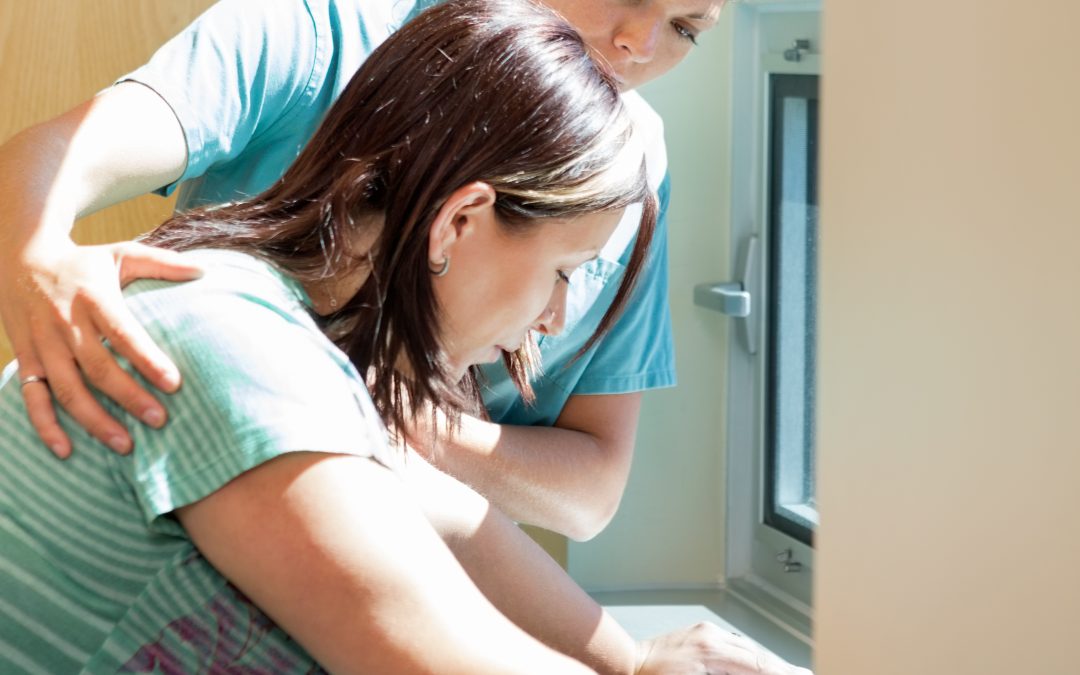
Nurses play a significant role in helping women complete their VBAC labors. Women laboring for a VBAC may have more anxiety than women having first babies, and may need extra support. They are grateful for all the encouragement, validation, and labor progress suggestions that nurses can provide. Many times, mothers have said, “My nurse was wonderful. Just when I wanted to quit and ask for another cesarean, she told me things were going just as they should be. I couldn’t have done it without her.” The following is a list of suggestions to help nurses support women laboring for a VBAC: During...
Resolving Emotional Issues About Your Cesarean Birth
Some mothers recover quickly after a cesarean. They resolve and integrate their birth experience as one step towards becoming a mother. Some mothers who have had an unexpected cesarean after a long and painful labor may experience disappointment, loss, sadness, grief, guilt or anger. Often the emotional impact of a cesarean is misunderstood, dismissed, or overlooked. Sometimes mothers have unresolved issues about their cesarean. It is normal to experience a combination of positive and negative emotions. When you are ready, it is important to take the time to process your feelings about your...
What Are the Odds of My Having a VBAC?
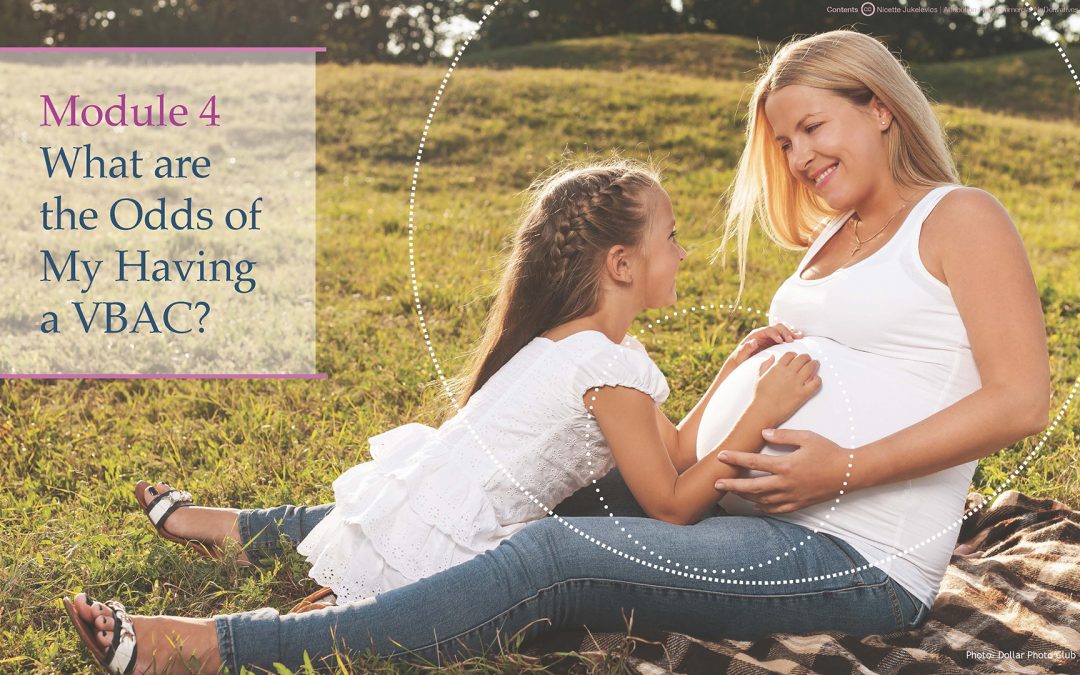
Although three out of four mothers overall who labor after a prior cesarean are likely to have a VBAC, planning ahead, having a supportive caregiver and patient and encouraging nursing care can make all the difference. Here are some suggestions that may be helpful to you if you are planning a hospital birth: Before Labor Begins Think about your VBAC as any other normal labor and remember that the majority of women who plan a VBAC give birth naturally. If you have never labored before or labored and had your cesarean before active labor, the pattern of your labor will most likely be like...

For Fathers, Providing Support for a VBAC Can Be Challenging
A cesarean can be emotionally difficult or traumatic for fathers/partners. After a long and difficult birth that ended with a cesarean, partners may feel that a repeat cesarean would be safer than planning a VBAC. Some partners may not be sure they can meet the challenge of another possibly long birth. Each partner is different and needs to prepare in his or her own way for the coming birth. Partners should take the time to talk about the prior cesarean and define for themselves how they can best support their partners for a VBAC. What advantages do you see for your partner, yourself, and...
For Doulas Who Support VBAC Clients: A Personal Perspective
By Jess Larsen Jukelevics, MA, CD(DONA) VBAC families commonly come to birth with hopes or determination for a different experience, fear of repeating some part of their first birth, and sometimes unresolved feelings about giving birth again. In short, it can often feel (for every one) that the stakes are high. We know that labor support is associated with better outcomes (Childbirth Connection, 2013), and a doula can go a long way to alleviate the fear and anxiety a VBAC mom may experience. But it’s also critical for doulas to be capable of supporting the emotional realities of VBAC women...
Coping with the Pain of Labor
Many mothers considering a VBAC, especially if their prior cesarean was scheduled, are concerned about how they will cope with the pain of labor. Some fear that having an epidural will complicate labor and lead to additional interventions that will lower their odds for having a vaginal birth. Non-drug methods of pain relief including continuous emotional support from a doula are beneficial for mothers and babies and do not cause harm. What options for pain relief are you considering? Try to use non-drug methods of pain relief and comfort measures before using drugs for pain relief. You may...
Birth Professionals Are Eager to Increase Awareness About VBAC
Maternity care professionals have many suggestions for increasing awareness about the safety of VBAC and supporting mothers who want to labor after a prior cesarean. They only need an opportunity to make that happen. On Saturday, September 19, I had the honor of speaking about VBAC and the VBAC Education Project to a room full of dedicated maternity care professionals at the Lamaze/ICEA Joint Conference in Las Vegas, Nevada. I spoke about the need to educate parents and professionals about bringing back the choice to labor for a VBAC which was widely available till the late nineties when...
Update On The Safety of Home Birth After a Cesarean (HBAC)
A recently published study on planned home VBAC in the United States, the largest to date, may shed a little more light on the safety of home birth after a cesarean for parents who may be considering that option. The study is the second one on planned home births based on the MANA Stats 2.0 data set. More and more women in the U.S. are faced with the denial of hospital-based maternity care for VBAC. According to a report by the Centers for Disease Control and Prevention, planned home VBACs have been increasing at the same time that hospital VBACs have been decreasing. Some women are choosing...
The Launch of the VBAC Education Project, A Teaching Tool for Parents & Birth Professionals
Dear Friends & Colleagues, We are excited to announce that The VBAC Education Project is now available to download online at no cost from https://www.vbac.com/the-vbac-education-project/ The evidence-based, collaborative, teaching tool endorsed by the International Childbirth Education Association and the International Cesarean Awareness Network, was developed to answer the many questions parents have about VBAC and provide educators and maternity care professionals with the resources they need to support women who want to labor after a prior cesarean. We hope it will be useful to...
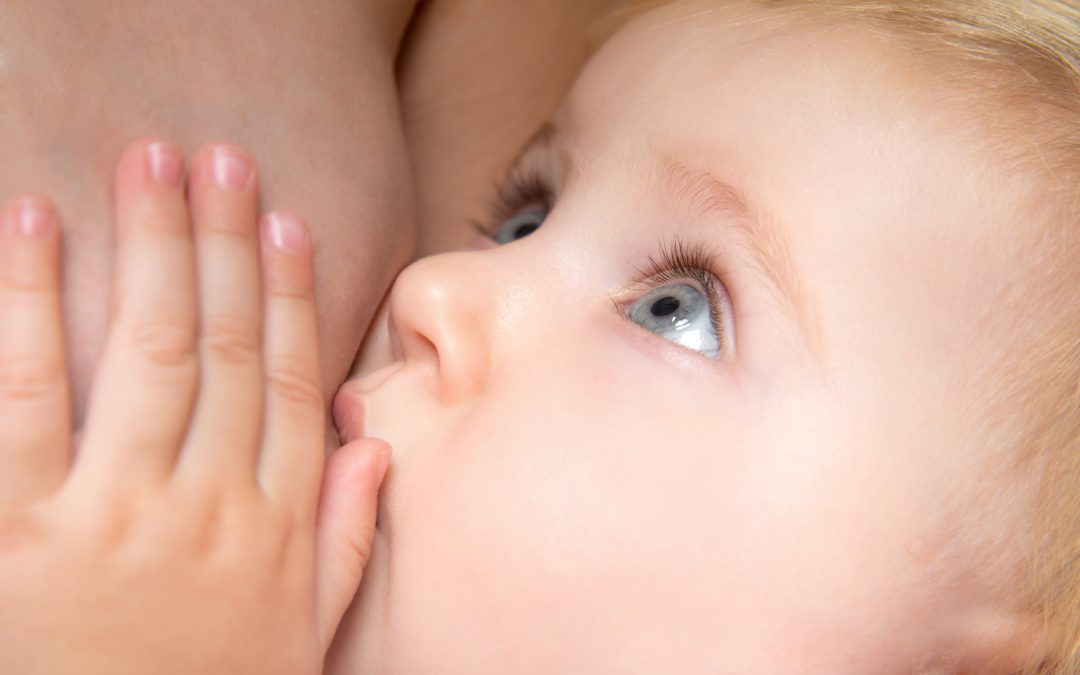
The Odds of Breastfeeding Success May Begin Even Before a Baby Is Born
August is the month dedicated to increasing awareness about the benefits of breastfeeding for mothers and babies. Breastfeeding provides optimal health, nutritional, immunologic and developmental benefits to newborns as well as protection from postpartum complications and future disease for mothers. The World Health Organization and UNICEF have recognized that the likelihood of initiating and continuing breastfeeding is determined even before the baby is born. How a woman in labor is cared for (birth practices) can ultimately help or hinder the initiation and success of breastfeeding....
Understanding the Dangers of Cesarean Birth: Making Informed Decisions
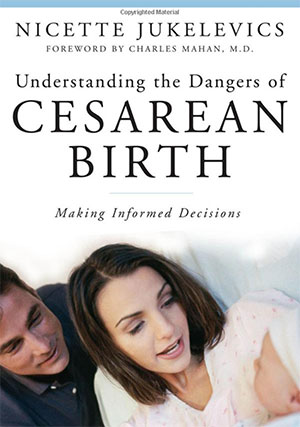
By: Nicette Jukelevics
Foreword by
Charles Mahan, M.D.
Critically examines the increasing use of cesarean deliveries for childbirth, the risks, outcomes, and other issues women need to consider to make an informed decision whether to have a natural birth or a cesarean.