Blog

In Celebration of International Doula Month: A Mother’s Letter To Her Doula
Dear Ellie, It has been three months since my daughter’s birth. I have been blessed and delighted with motherhood. I enjoy her tremendously and therefore I have neglected the rest of the world. I have been meaning to write and let you know how wonderful it was for my daughter and me that you were our doula. We are so glad we chose you to be with us for such a precious, intimate, soul piercing moment-the birth of my daughter. I wanted to take the time to thank you for your care and concern about my well being during labor. Starting with your massages, they were soothing and invigorating. I...
In Honor of Cesarean Awareness Month: Introducing The VBAC Education Project
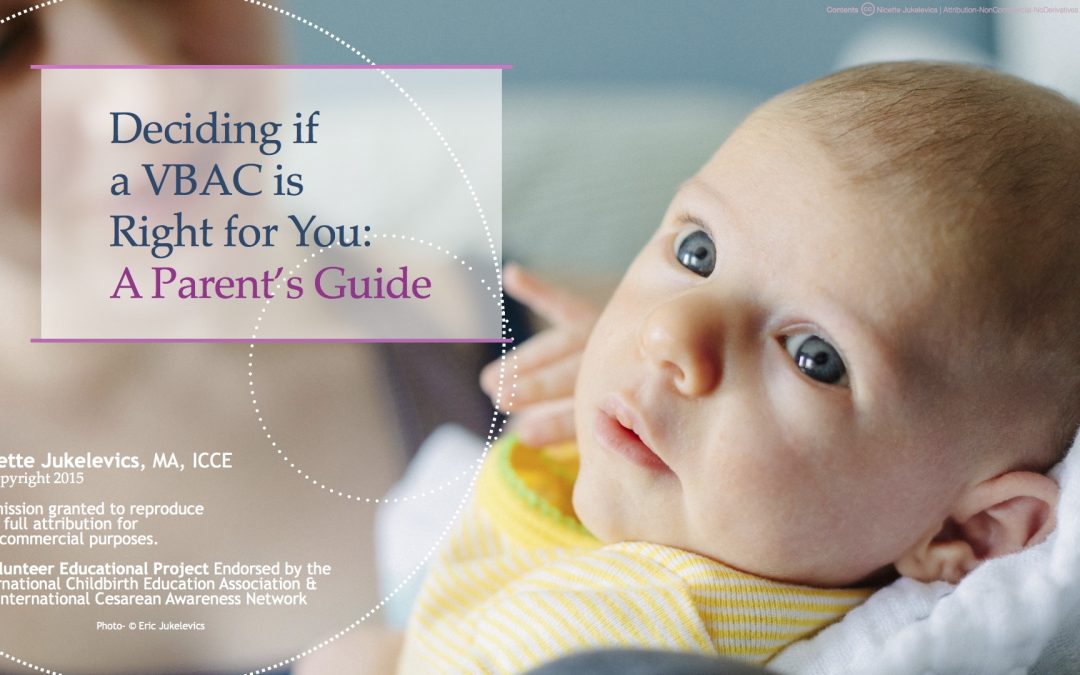
VBAC was deemed a reasonable and safe option to a routine repeat cesarean by the National Institutes of Health decades ago (1981). But, in recent years, misinformation about its safety and lack of clear national practice guidelines have succeeded in virtually eliminating VBACs in many hospitals. Thousands of women are being denied medical care for VBAC and given no choice but to “consent” to a repeat operation they do not need or want. Mothers have the legal right to make their own health care decisions, but that right, more often than not, is not upheld. The upcoming, evidence-based...
Women Fight For The Chance To Use Their Own Bodies In Giving Birth
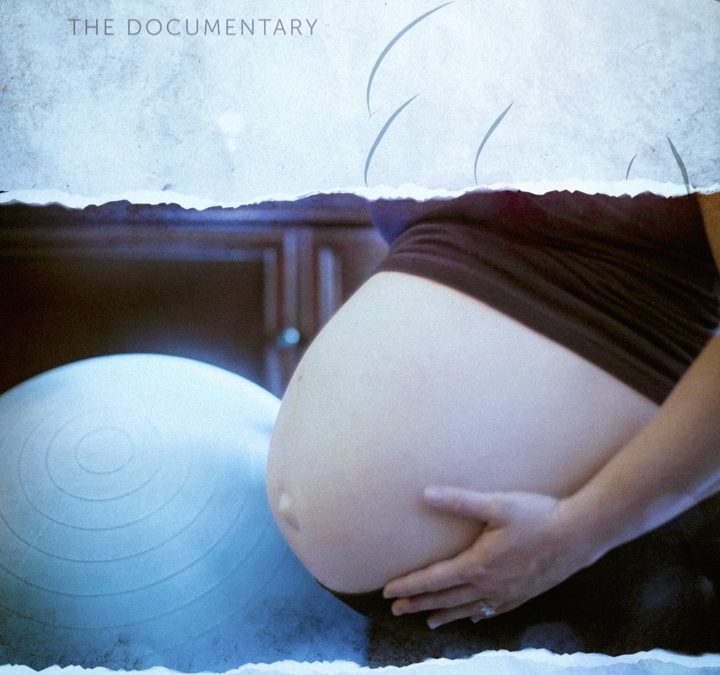
Los Angeles, CA (March 2015) -- Ninety percent of American women who give birth by Cesarean will have all future babies by surgery. The new feature-length documentary film, Trial of Labor gives a voice to four California women fighting those odds: planning births after Cesarean (VBAC). Access to VBAC remains extremely restricted in the U.S., with many hospitals maintaining mandatory surgery policies (also known as "VBAC bans") for women who have had Cesareans. These policies, based primarily on non-medical factors, mean that tens of thousands of women every year have no choice in how they...
Epidurals For Labor: Telling It Like It Is
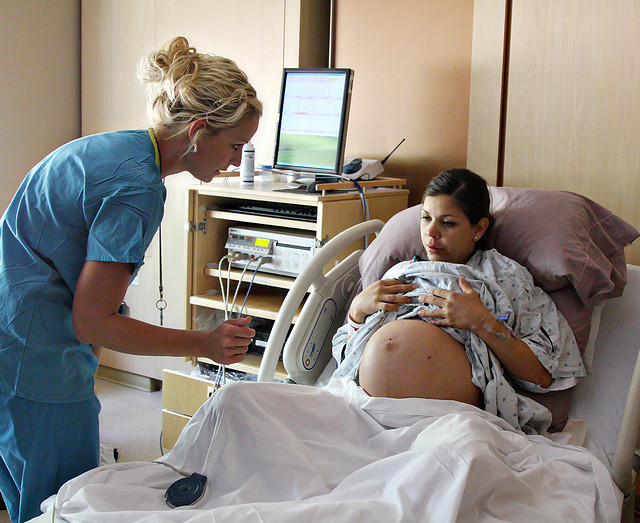
A national survey of women who gave birth in U.S. hospitals in 2011-2012 reported that 6 out of 10 mothers had an epidural for pain relief in labor. An epidural is a very effective form of pain relief, but it can also lead to complications that eventually makes it necessary for the mother to have a cesarean. At Spectrum Health Gerber Memorial in Fremont, Michigan expectant mothers are educated about the benefits and risks of using an epidural in labor and their informed choice is respected. Dr. Tami Michele, DO, FACOG, OB/GYN, Medical Director and Obstetrics and Gynecology Department Chair...
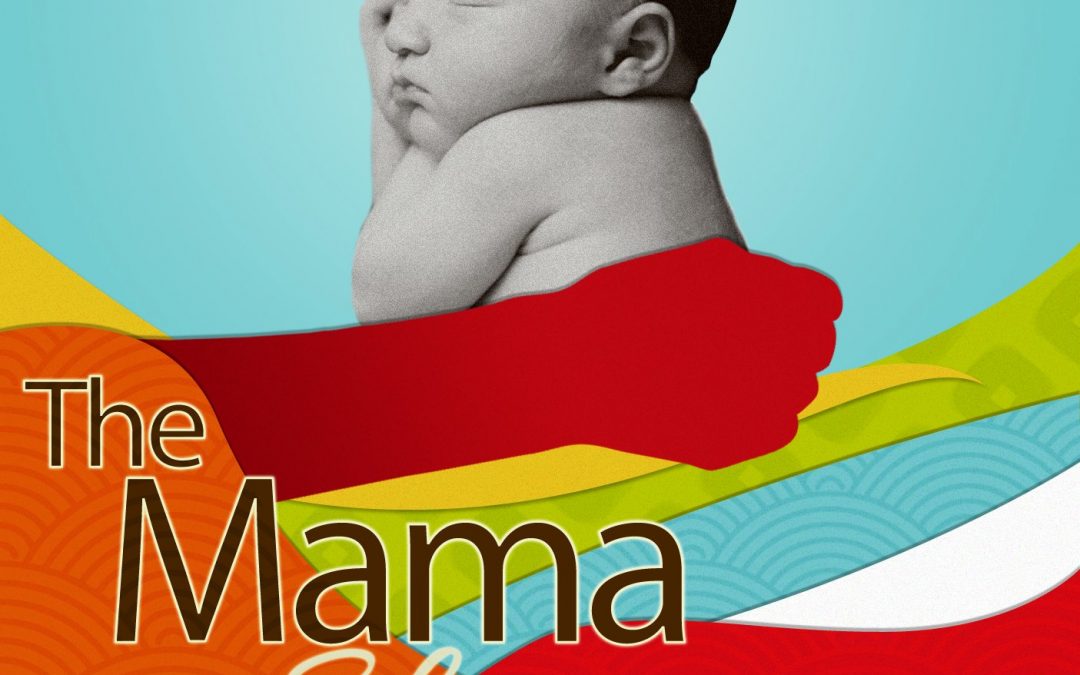
Take A Sneak Peak at The Mama Sherpas, a Documentary by Filmaker, Professor, and VBAC Mom
Brigid Maher, a tenured, associate professor of Film and Media Arts Division in the School of Communication at American University will soon be releasing a documentary about the health benefits and advantages of midwifery care for women with a prior cesarean. The Mama Sherpas is a feature-length documentary film about women receiving their maternity care through midwife-doctor teams. For two years Maher followed nurse midwives, the doctors they work with, and their patients to provide an investigative lens into how midwives work within the hospital system. The official TRAILER has just been...
Bringing Birth Back: A New Infographic for Parents on Lowering the Odds for a Cesarean
Bringing Birth Back: The Rise of Cesareans & the Movement to Safely Prevent Them is a review of the rise in U.S. cesarean rates, the risks of the surgical procedure and how parents can take advantage of the new practice guidelines to lower their odds for a medically unnecessary cesarean. Mothers' choices for how they want to give birth is theirs to make and should be respected. This easy-to-read format gives mothers information they may not have to help them make an informed decision on how they want to give birth. You can upload this helpful infographic from the nursing website. Source:...
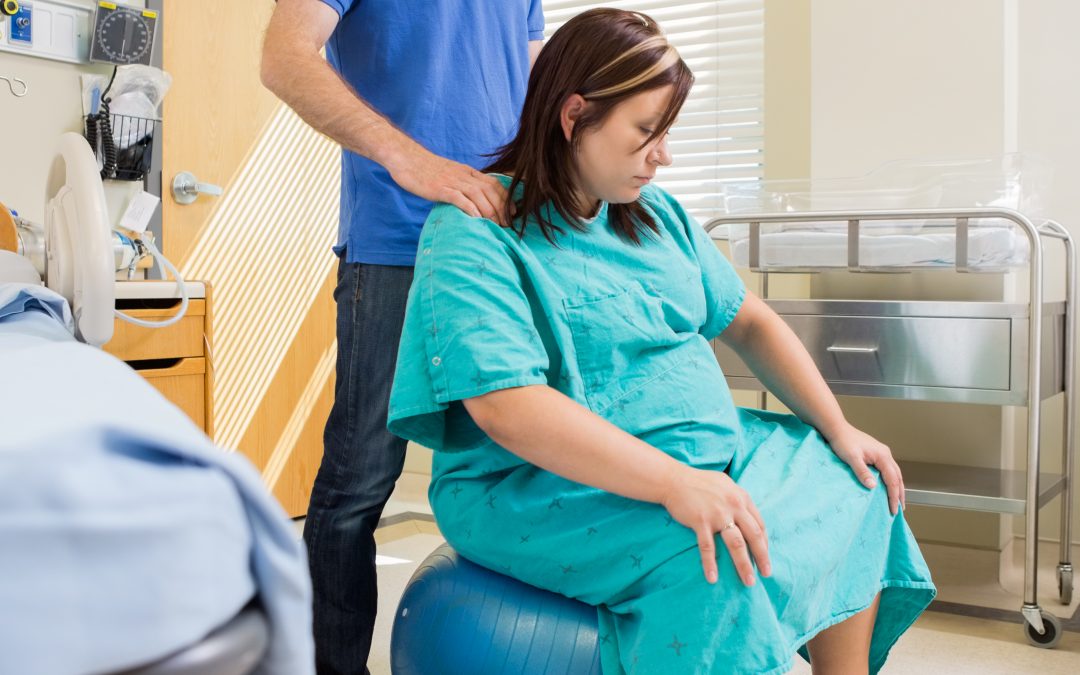
If I Plan a VBAC, What Are the Odds that I’ll Have a Normal Birth?
There is research that tells us which women are more likely to have a VBAC than others, but we also know that having a normal birth depends greatly on a woman’s state of mind and how she is cared for during pregnancy, labor and birth. Goer and Romano tell us that mothers and babies have healthier outcomes if their careproviders respect the natural (physiologic) process of labor. Introducing interventions only when medically necessary. We know that mothers and babies have healthier outcomes when mothers are full participants in making decisions about how they want to give birth and when all...
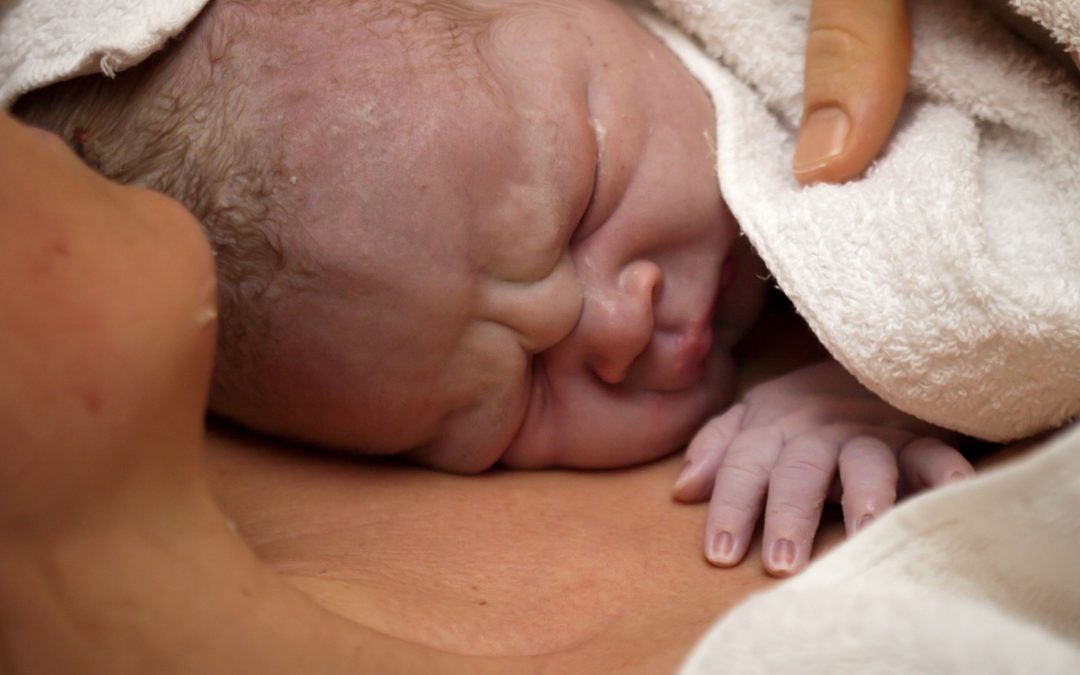
Laboring for a VBAC: Why the Discrimination in U.S. Hospitals?
Childbearing women have a fundamental right to choose how, where and with whom they want to give birth, but in the United States women who choose to labor for a VBAC (known as TOLAC, trial of labor after cesarean) in a hospital are often being denied that right. Effectively giving thousands of women no choice but to concede to major abdominal surgery that put women and babies at risk for complications and mothers with multiple cesareans at risk for placental problems. According to the National Institutes of Health (NIH), since 1996 about one third of hospitals and one-half of physicians...

Turning a Breech is a Safe Option for Women with a Prior Cesarean
Breech presentation occurs in 3-4% of all term pregnancies and is the third most common reason for performing a cesarean in the U.S. More than 90% of breech babies are delivered by planned cesarean section. External Cephalic Version (ECV), a procedure that helps to turn a fetus from a breech presentation to a cephalic presentation has been shown to decrease the incidence of breech presentation at term for women without a cesarean scar thereby reducing the need for a cesarean section. However, a study published in the January 2014 issue of the British Journal of Obstetrics and Gynaecology ...
Breastfeeding Is Priceless
This week countries all over the world are celebrating World Breastfeeding Week 2013. The World Alliance for Breastfeeding Action and the World Health Organization are among many organization that are providing educational materials and strategies to encourage mothers to breastfeed. According to the CDC, although continued progress in initiating breastfeeding has been made over the last ten years in the U.S., infants are not breastfed for as long as recommended. More than 3 out of 4 mothers begin breastfeeding, but only 49% of babies are breastfeeding at 6 months and 27% at 12 months. In an...
Understanding the Dangers of Cesarean Birth: Making Informed Decisions
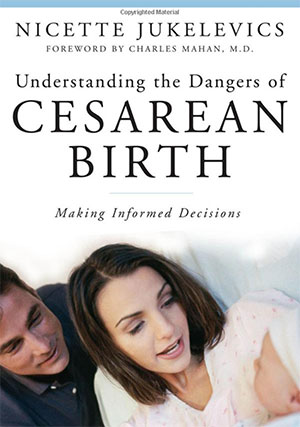
By: Nicette Jukelevics
Foreword by
Charles Mahan, M.D.
Critically examines the increasing use of cesarean deliveries for childbirth, the risks, outcomes, and other issues women need to consider to make an informed decision whether to have a natural birth or a cesarean.