Blog
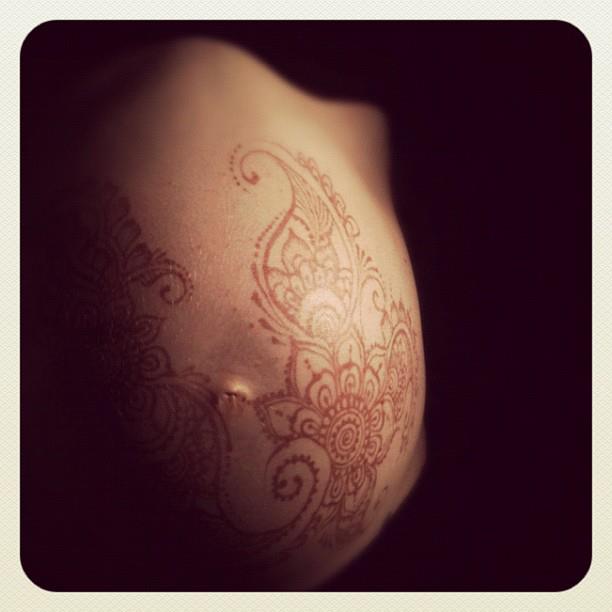
A Professor of Psychology and VBAC Mom Explores How Women Make Birth Decisions After a Prior Cesarean and Shares Her Own Birth Stories
Yasmine L. Kalkstein, Ph.D. is Assistant Professor of Psychology at Mount Saint Mary College, in Newburgh, New York. She gave birth to her first child by cesarean. Her second birth was a VBAC. “Making the decision to VBAC was a scary one” the professor said. “I hated the idea of getting my hopes up and being all the more let down. Yet, I also knew that I'd feel an amazing sense of regret if I didn't try.“ By talking with other mothers, she discovered that many women simply scheduled a repeat cesarean. Some by choice, others because they did not know about another alternative. The psychology...
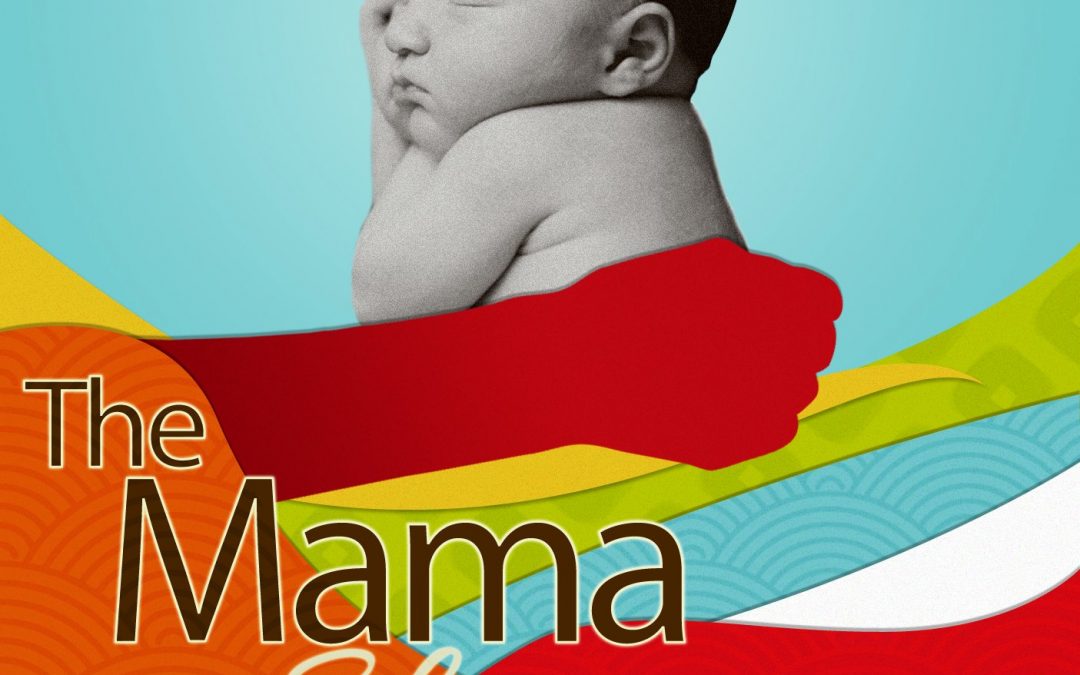
Documentary Film Maker and VBAC Mom Pushes for Increased Awareness About Midwife/Doctor Collaboration
Bridgid Maher is a tenured, associate professor of Film and Media Arts Division in the School of Communication at American University. She gave birth to her first son by cesarean and wanted to have a VBAC when she was pregnant again. Maher chose a midwifery practice with privileges at a Washington D.C. hospital and gave birth naturally to a 9 pound 10 ounce daughter. As Maher shared her VBAC story, she realized that many women did not know about the benefits of midwifery care or that certified nurse-midwives (CNMs) and Certified Midwives (CMs) can attend their clients’ births in a hospital....
Birth Practices that Lead to Optimal Maternal and Newborn Outcomes
April is Cesarean Awareness Month. An opportunity to showcase a model of care that lowers the odds for cesarean section for healthy women and leads to optimal health outcomes for mothers and babies. Research shows that the following birth practices lead to optimal maternal and newborn outcomes: Provide women with evidence-based information regarding benefits and risks of tests and procedures so they can make informed decisions about their care. Encourage continuous support (doula care) for labor and birth. Provide options for midwifery care. Provide options for home birth and birth centers....

Cesareans Are Increasingly Being Questioned
In a video address to the Coalition for Improving Maternity Services (CIMS) Forum participants on March 1, Michael C. Lu, MD, MS, MPH, Director of the U.S. Maternal and Child Bureau, stated, “Cesarean has its place, but given the real risks associated with cesarean it should not be performed without clear maternal, fetal or obstetrical indication…Cesarean delivery increases the risk of placenta accreta which intern increases the risk of postpartum hemorrhage and cesarean hysterectomy.“ In an interview with Rebecca Dekker, Ph.D., RN, of evidencebasedbirth.com, Celeste G. Milton, MPH, BSN, of...
Physicians and Midwives Working Together: An Option for Mothers Seeking a Woman-Centered Birth in a Traditional Setting
Evidence shows that a collaborative model of care that includes physicians and midwives working together can lower interventions, the use of drugs for pain relief in labor, induction and cesarean rates and improve health outcomes for mothers and babies. Brigid Maher, a documentary filmmaker, Associate Professor of Film and Media Arts in the School of Communication at American University (Washington, D.C.) and a VBAC mother herself, wants more women to know that. In fact, in The Mama Sherpas, a full-length documentary about four physicians and nurse-midwives collaborative models of care which...

The Latest Best Evidence on the Safety of VBAC
Henci Goer and Amy Romano have recently published their much awaited book, Optimal Care in Childbirth: The Case for a Physiologic Approach. Their research, based on the best available evidence, makes a strong case for supporting women who want to plan a VBAC. The most valuable aspect of their book is the fact that they have selected high quality studies that truly compare the benefits and risks of elective repeat cesarean (not medically necessary) with planned VBAC. They have only included well-designed studies that took into account confounding factors, that is, factors that can lead to a...
Only Women Have the Legal Authority to Decide How, Where and With Whom They Want to Give Birth
With thanks to Hermine Hayes-Klein, U.S. attorney for her assistance with this article. On September 20th over 1,000 individuals, health professionals, and birth advocates groups will be screening the one hour campaigning documentary Freedom For Birth: The Mothers’ Revolution in over fifty countries worldwide. This global call-to-action video directed and produced by two British film makers was inspired by and reports on the ruling of the European Court of Human Rights who in December 2010 stated that childbirth is a fundamental human right. Women have the human right to choose how, where,...
Women Are Poorly Informed By Their Careproviders About the Benefits of VBAC and Risks of C-Section
Although VBAC is encouraged by ACOG and viewed by the National Institutes of Health as a reasonable option to a repeat cesarean, less than 10% of women with a prior cesarean had a VBAC in 2010. A study published in the September issue of the American Journal of Obstetrics and Gynecology suggests that care providers are not educating their patients about the benefits of VBAC and women are not making an informed decision when they elect to have a repeat cesarean section. Researchers surveyed women with one prior cesarean birth who were being admitted at St. Luke’s Roosevelt Hospital Center...
Breastfeeding, Birth Practices, and Cesarean Section: Is There a Link?
August is the month dedicated to increasing awareness about the benefits of breastfeeding for mothers and babies and to making commitments to support, protect, and promote the best feeding option for infants. Breastfeeding provides optimal health, nutritional, immunologic and developmental benefits to newborns as well as protection from postpartum complications and future disease for mothers. In 1991 the World Health Organization and UNICEF introduced the WHO Baby-Friendly Hospital Initiative outlining Ten Steps for birth facilities and maternity care professionals to follow to ensure that...
TRIAL OF LABOR, A New Film About Four Mothers and Their Determination To Give Birth Naturally After A Prior Cesarean
Two fathers, Robert Humphreys, an independent, award winning film maker and Dr. Elliot Berlin, a Chiropractor specializing in alternative prenatal care, set out to make a documentary film about the VBAC Ban in U.S. hospitals and its impact on the physical and psychological health of women who want to birth naturally after a prior cesarean. TRIAL OF LABOR, a documentary initially conceived as an educational film about the medicalization of birth in the U.S. and the pros and cons of VBAC and repeat cesarean, evolved into a powerful and inspiring personal journey of four mothers who had a prior...
Understanding the Dangers of Cesarean Birth: Making Informed Decisions
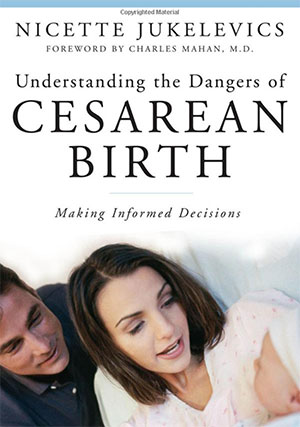
By: Nicette Jukelevics
Foreword by
Charles Mahan, M.D.
Critically examines the increasing use of cesarean deliveries for childbirth, the risks, outcomes, and other issues women need to consider to make an informed decision whether to have a natural birth or a cesarean.