
Research has shown that vaginal birth is a safe option for many women who have previously had a cesarean. Laboring for a VBAC helps women avoid a routine repeat cesarean, which exposes them to multiple risks including hemorrhage, serious infection, blood clots, and...
Your Rights in Childbirth Articles
My Birth Matters: A Campaign To Educate Women About The Overuse of Cesareans
My Birth Matters, a major educational campaign recently launched by the California Health Care Foundation, the California Maternal Quality Care Collaborative, and Consumer Reports aims to educate women about the overuse of cesarean sections and encourage them to...
Women’s Experience of Childbirth Is As Critical As the Quality of Care They Recieve
The World Health Organization (WHO) recently published a significant document outlining current intrapartum practices that are likely to harm mothers and babies and recommends that they should be discarded. For healthy women who go into labor on their own, the WHO...
ACOG’s 2017 VBAC GUIDELINES: WHAT MOTHERS NEED TO KNOW
Most mothers in the United States who want to labor for a VBAC still face resistance from their physician or hospital despite clear evidence that VBAC is a reasonable choice for women with a prior cesarean birth. The American College of Obstetricians and Gynecologists...
Second Chance: A Mother’s Quest For A Natural Birth After a Cesarean- A Memoir by Thais Nye Derich
Thais Nye Derich' book is a beautifully written, restorative journey of self-discovery, empowerment, and spiritual growth. It is also a testament to a maternity care system that has inadvertently failed many women. Managing the natural process of childbirth with...
Giving Birth After A Cesarean: It’s Your Decision
Many mothers, pregnant after a prior cesarean birth, feel pressured to schedule a routine repeat cesarean when they prefer to labor for a VBAC. Care providers have an obligation to share information with you about your care. To present the risks and benefits of...
Maternity Care Professionals Agree on How Best to Care for Women in Labor
Failure to progress, abnormal fetal heart rate, malposition, and “big” baby are the four main reasons for the first cesarean. These complications can often be avoided by the kind of care that women receive prenatally and during labor and birth. The American College of...
VBAC Rights
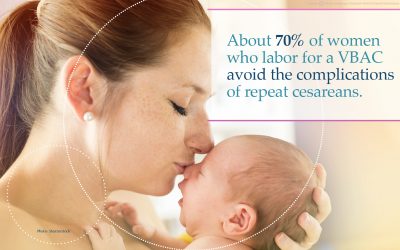
The evidence for the safety of VBAC is clear. Guidelines exist for physicians and hospitals to provide care for women who choose to labor for a VBAC. About 70% of women who labor for a VBAC give birth safely. Yet, there seems to be a lack of will to change current...
Still Hearing Scary Stories About VBAC?
Despite the evidence from leading maternity care associations and birth advocacy groups that planning a VBAC (vaginal birth after a cesarean) is a safe option to a routine repeat cesarean, expectant mothers with a prior cesarean are still hearing from their own care...