After decades of increasing cesarean sections worldwide the medical community and health organizations are now focused on reducing unnecessary cesareans and promoting physiological birth with minimal interventions. Knowledge of the complications from repeat cesareans for both mothers and babies and the option of VBAC has moved beyond the research journals to popular media. In the United States, the continued efforts of birth advocates and maternity care professionals alike have at last raised the consciousness of policy makers enough to pass landmark legislation to reduce the country’s shockingly high mortality rate. The highest of ten other economically comparable nations. One way to lower the maternal mortality rate is to support women who want to labor for a VBAC. 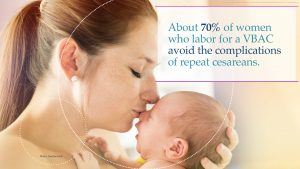
Leaders in maternity care have focused initially on reducing primary cesareans because the concept is less controversial and easier to implement than promoting VBAC in hospitals that may not have the expertise and staff requirements to care for mothers who want to labor after a prior cesarean.
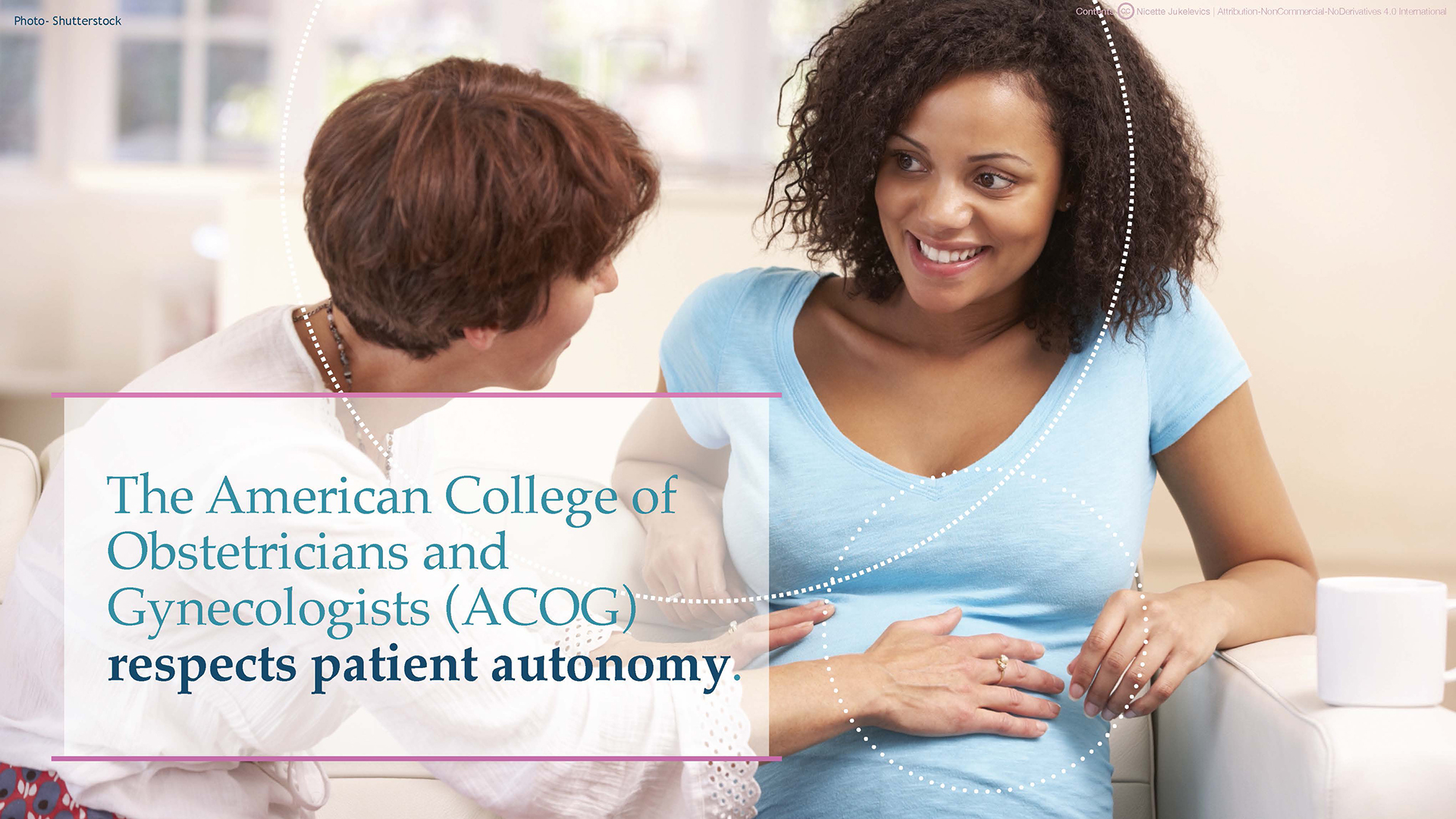
The World Health Organization recent report on maternity care recognized that a woman’s experience of childbirth is an integral aspect of providing high-quality health care. Together with ACOG’s respect for a woman’s right to choose her mode of birth these guiding principles may provide the opportunity to promote and support VBAC sooner rather than later.
A recent California survey of women’s birth experiences found that about 50% of mothers with a prior cesarean were interested in planning a VBAC but were not offered that option. Care providers and hospitals refused to provide them care to labor after a cesarean. Because implementing VBAC guidelines in the United States ultimately depends on motivated caregivers and the individual hospital’s choice, it will take women’s strong voices and persistent, passionate community organization to bring about change. 
Resources, guidelines, tool-kits, and VBAC informed consent templates have already been developed by conscientious maternity care professionals and are easily accessible. It remains for expectant mothers and their birth advocates to bring these to the attention of their community hospitals and demand to know why they are lagging behind in providing evidence-based, woman-centered care for VBAC.


0 Comments