Blog
Placenta Accreta, A Rising Complication of Pregnancy Associated with Increased Use of Cesarean Section
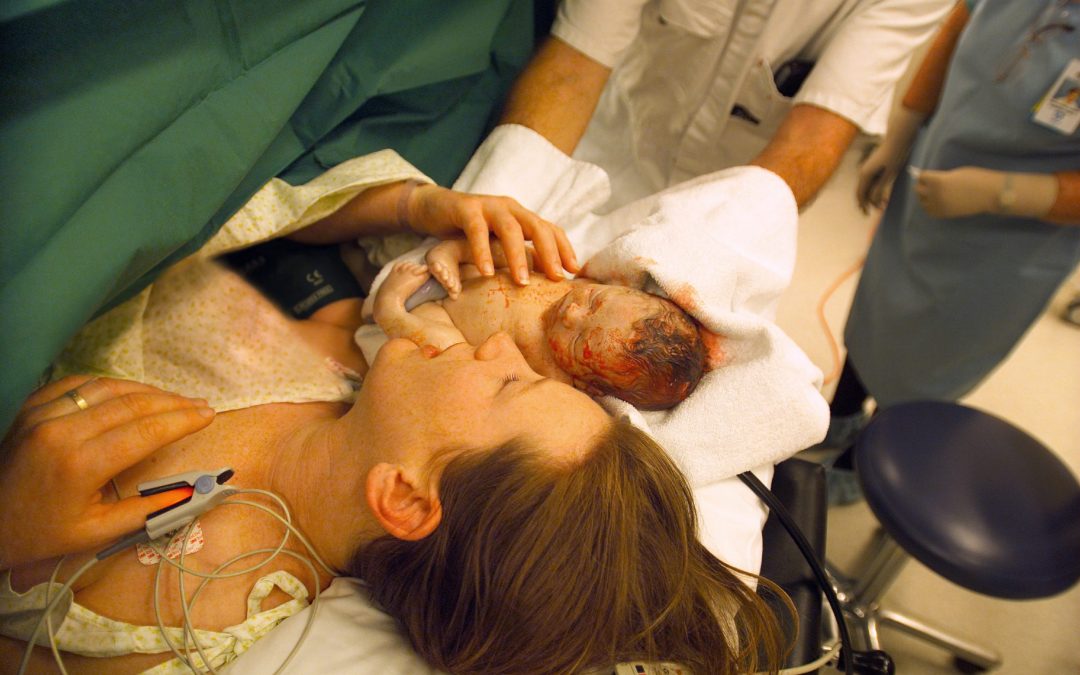
October is Accreta Awareness Month. Placenta accreta is a rapidly rising complication of childbirth. One in 272 pregnant people is at risk for this potentially life-threatening condition. It is the abnormal attachment of the placenta in the area of a prior uterine scar. Placenta accreta puts mothers at risk for bleeding during pregnancy, premature birth, severe hemorrhage, blood transfusion, cesarean hysterectomy, and death. The American College of Obstetricians and Gynecologists and the Society for Maternal-Fetal Medicine state that "the increasing rate of placenta accreta over the past...

COVID-19 In Pregnancy, Birth, and Breastfeeding: Resources for Parents and Maternity Care Professionals
The Centers for Disease Control and Prevention (CDC) acknowledges that COVID-19 is a new disease and we are still learning how it spreads, the severity of illness it causes, and to what extent it may spread in the United States. Birthing families are looking for guidance and maternity care professionals, including childbirth educators, breastfeeding specialists, and doulas, want to know how best to care for them. Resources about pregnancy, birth, and breastfeeding in relation to COVID-19 are quickly becoming available. Leading U.S. maternity caregivers say, "We are listening to the...

Key Questions to Ask If You Are Offered a Cesarean for “Failure to Progress” During Labor or Birth
Failure to progress (dystocia) is the main reason for performing a cesarean section in low-risk mothers who labor for the first time. Evidence suggests that some physicians recommend a cesarean too soon during the labor process when in fact labor has not “failed" and the surgery could have been avoided. Many caregivers still follow guidelines from the 1950s when considering a cesarean for failure to progress. However, based on current medical guidelines for dystocia from the California Maternal Quality Care Collaborative (CMQCC), women themselves can ask key questions of their caregivers if...

For Fathers, Providing Support for a VBAC Can Be Challenging
A cesarean can be emotionally difficult or traumatic for fathers/partners. After a long and difficult birth that ended with a cesarean, partners may feel that a repeat cesarean would be safer than planning a VBAC. Some partners may not be sure they can meet the challenge of another possibly long birth. Father holding newborn baby over black background Each partner is different and needs to prepare in his or her own way for the coming birth. Partners should take the time to talk about the prior cesarean and define for themselves how they can best support their partners for a VBAC. What...
Minimizing Intervention in Labor Is The Way To Go, Say ACOG Physicians
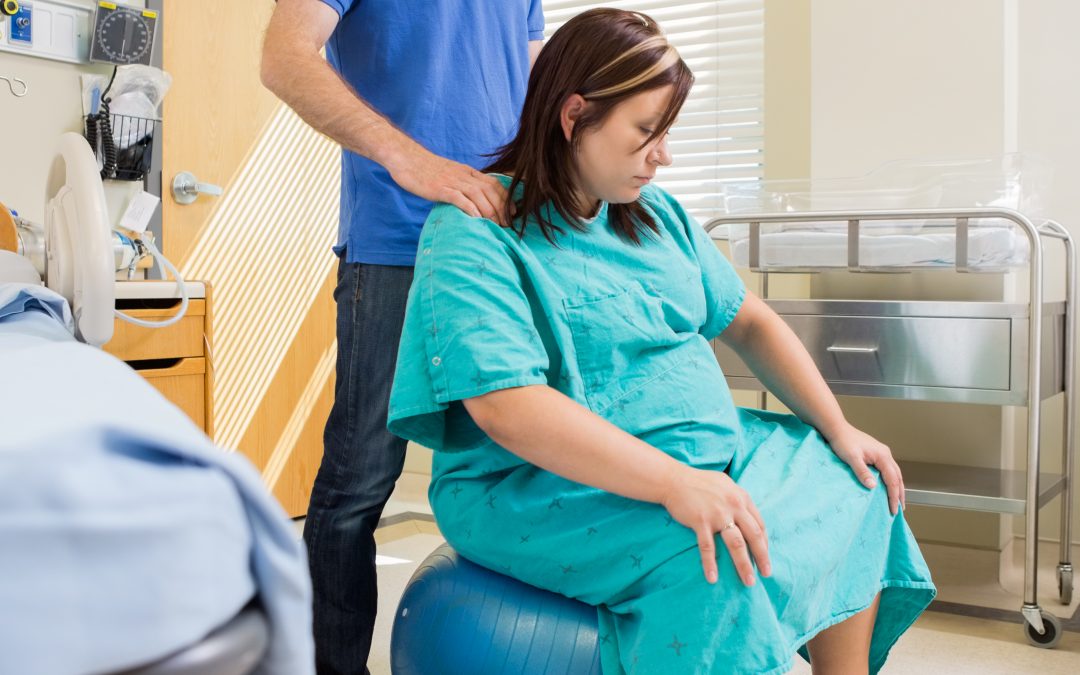
“The desire to avoid unnecessary interventions during labor and birth is shared by health care providers and pregnant women. Obstetricians-gynecologists, in collaboration with midwives, nurses, patients, and those who support them in labor, can help women meet their goals for labor and birth by using techniques that require minimal interventions and have high rates of patient satisfaction.” In their recently updated (February 2019), evidence-based Committee Opinion, Approaches to Limit Intervention During Labor and Birth, the American College of Obstetrics and Gynecology (ACOG)...
There Is Hope for VBAC
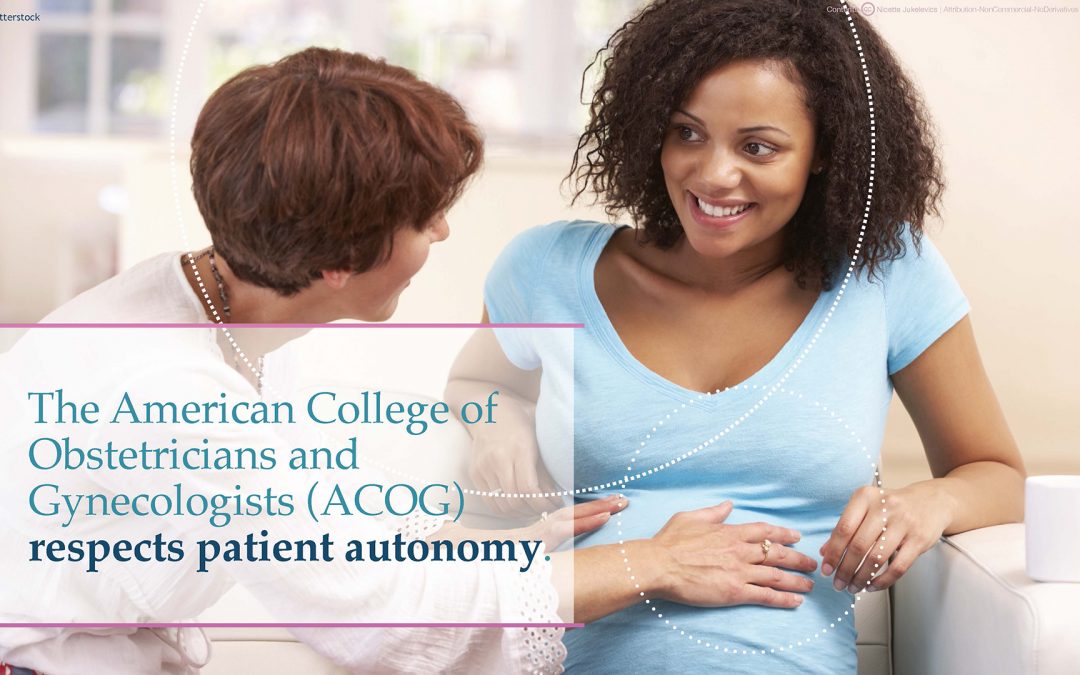
After decades of increasing cesarean sections worldwide the medical community and health organizations are now focused on reducing unnecessary cesareans and promoting physiological birth with minimal interventions. Knowledge of the complications from repeat cesareans for both mothers and babies and the option of VBAC has moved beyond the research journals to popular media. In the United States, the continued efforts of birth advocates and maternity care professionals alike have at last raised the consciousness of policy makers enough to pass landmark legislation to reduce the country’s...
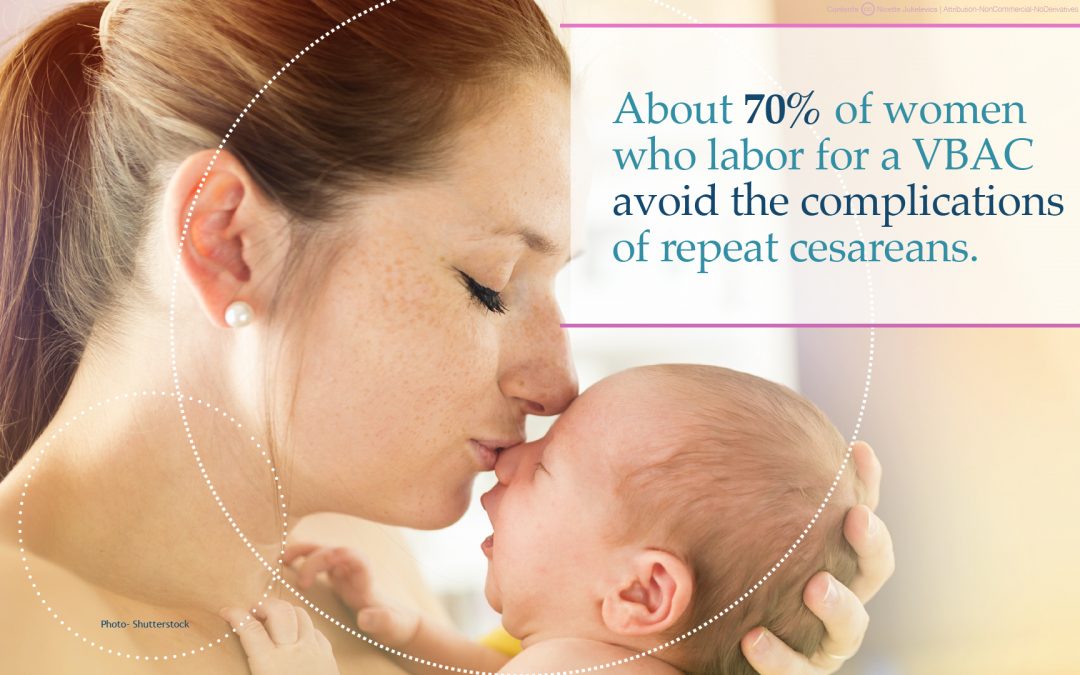
Maternity care associations worldwide support VBAC
Research has shown that vaginal birth is a safe option for many women who have previously had a cesarean. Laboring for a VBAC helps women avoid a routine repeat cesarean, which exposes them to multiple risks including hemorrhage, serious infection, blood clots, and placental problems. Maternity care professional associations worldwide support women who want to labor for a VBAC. Here are a few resources to help mothers find out more about avoiding an unnecessary cesarean and laboring for a VBAC. Spectrum Health, Michigan. Parent Education, Birth Options After a Cesarean Delivery...

The VBAC Education Project: A Tool Kit for Mothers, Maternity Care Professionals & Birth Advocates
Since its publication in 2015 all major maternity care professional organizations have agreed that offering mothers with a previous cesaran birth the option of VBAC is best practice. They also respect and support the birthing family's right to choose how, where, and with whom they want to give birth. The VBAC Education Project is currently being updated to reflect these changes. There is a wide gap between the evidence that supports vaginal birth after a cesarean and women’s lack of knowledge of the benefits and risks of VBAC. Mothers who do want to labor for a VBAC often encounter stiff...
My Birth Matters: A Campaign To Educate Women About The Overuse of Cesareans
My Birth Matters, a major educational campaign recently launched by the California Health Care Foundation, the California Maternal Quality Care Collaborative, and Consumer Reports aims to educate women about the overuse of cesarean sections and encourage them to speak to their care providers to ensure that a cesarean be performed only when absolutely needed. Overuse of C-sections matters because the surgery brings serious risks both for babies (such as higher rates of infection, respiratory complications, and neonatal intensive care unit stays, as well as lower breastfeeding rates) and...
Women’s Experience of Childbirth Is As Critical As the Quality of Care They Recieve
The World Health Organization (WHO) recently published a significant document outlining current intrapartum practices that are likely to harm mothers and babies and recommends that they should be discarded. For healthy women who go into labor on their own, the WHO maintains no interventions are necessary as long as the mother and baby are stable. To improve the quality of maternity care, the WHO affirms that a positive experience of childbirth is just as important for optimal maternal, newborn, and family health and well-being as evidence-based, clinical care. Intrapartum care for a positive...
Understanding the Dangers of Cesarean Birth: Making Informed Decisions
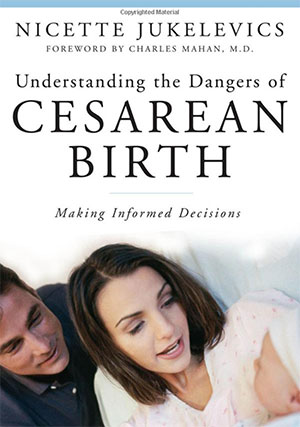
By: Nicette Jukelevics
Foreword by
Charles Mahan, M.D.
Critically examines the increasing use of cesarean deliveries for childbirth, the risks, outcomes, and other issues women need to consider to make an informed decision whether to have a natural birth or a cesarean.