Blog

All U.S. Hospitals Who Provide Maternity Care Can Support Mothers Who Want a VBAC
In its 2017 guidelines for VBAC the American College of Obstetricians and Gynecologists (ACOG) states, “Available data confirm that TOLAC (trial of labor after cesarean) may be safely attempted in both university and community hospitals and in facilities with or without residency programs.” But, most U.S. community hospitals, those without an in-house physician capable of performing a cesarean, operating room staff, and anesthesia, have been reluctant to accept mothers who want to labor for a VBAC. Many mothers have been told that their only option is a routine repeat cesarean, which in fact...
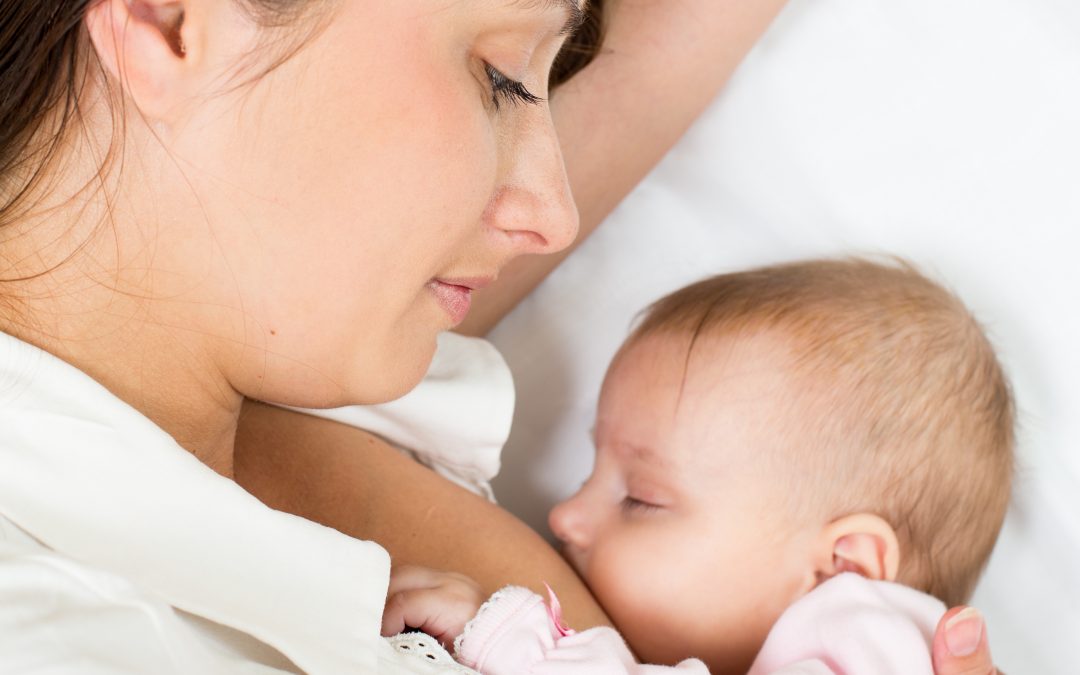
ACOG’s 2017 VBAC GUIDELINES: WHAT MOTHERS NEED TO KNOW
Most mothers in the United States who want to labor for a VBAC still face resistance from their physician or hospital despite clear evidence that VBAC is a reasonable choice for women with a prior cesarean birth. The American College of Obstetricians and Gynecologists (ACOG) has published and revised several VBAC clinical practice guidelines, the last time in 2010. Although the 2017 revisions seem to be the most supportive of VBAC to date, unfortunately the guidelines are not enforceable. Physicians and hospitals who support VBAC choose to do so voluntarily. It is important for mothers to...
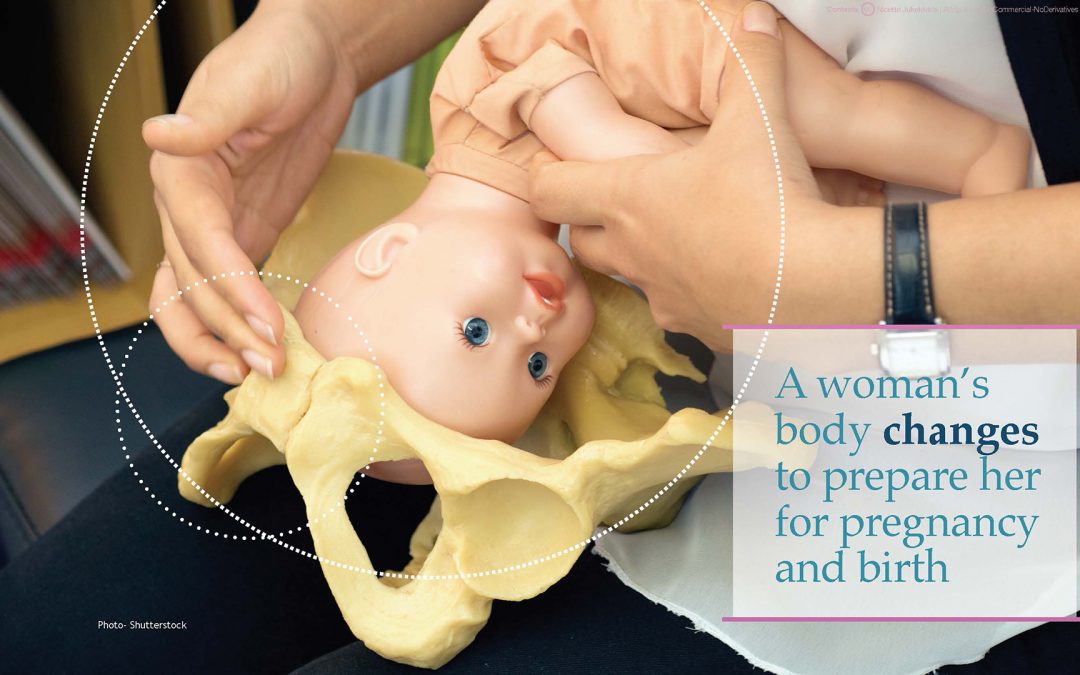
Can I Plan a VBAC After a Cesarean for a “Big” Baby?
Many mothers have given birth to heavier babies vaginally after a cesarean for a “big” baby. How you are cared for during pregnancy, labor and birth can make a big difference. Estimated Fetal Weight in Pregnancy is Often Inaccurate Care providers are concerned about vaginal birth for a potential "big" baby (fetal macrosomia) because as fetal birth weight increases so do the risks for shoulder dystocia, vaginal tears, and permanent nerve injury to the newborn. Macrosomia is defined as a suspected birth weight of 8lbs. 13 oz. or more. The problem is that estimating the size of the baby during...

What Are the Odds of Having a VBAC? A Guide for Birth Educators
These guidelines are based on the content of the VBAC Education Project. Planning a VBAC presents different challenges for different women. Some are ready to face labor head on without any drugs for pain relief choosing instead a variety of comfort measures, doula care for emotional and physical support, and a midwife as their primary care provider. Others, who may have had a long, difficult, and painful labor before having a cesarean may feel they can only go through another labor if they have dependable pain relief (an epidural), the safety of electronic fetal monitoring, and the...

Second Chance: A Mother’s Quest For A Natural Birth After a Cesarean- A Memoir by Thais Nye Derich
Thais Nye Derich' book is a beautifully written, restorative journey of self-discovery, empowerment, and spiritual growth. It is also a testament to a maternity care system that has inadvertently failed many women. Managing the natural process of childbirth with routine protocols and multiple interventions geared more to an intensive care patient than a healthy woman giving birth. Multiple interventions used on a healthy woman often lead to an avoidable cesarean section. The mother of two boys, Luke, born by cesarean and Mikko, born naturally at home with midwifery care, Thais tells us that...
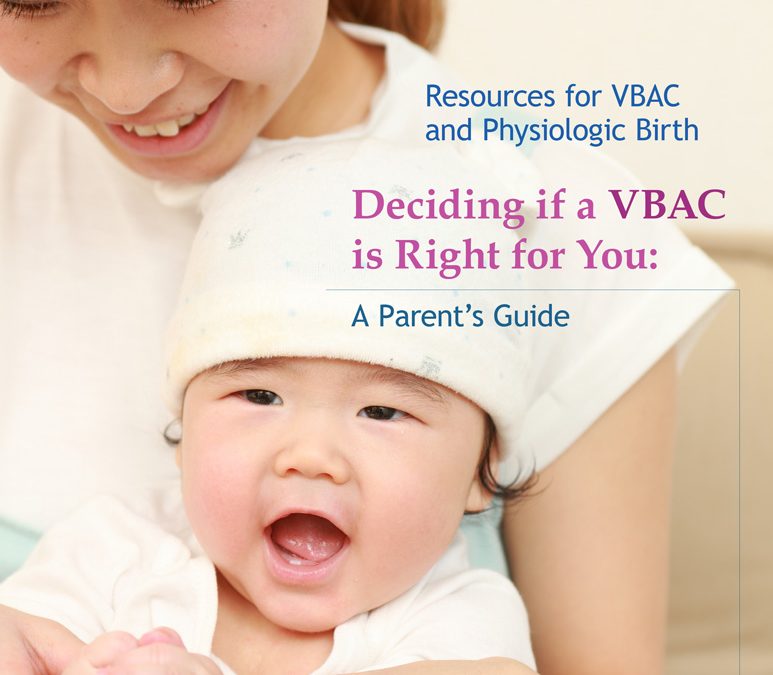
Teaching Tips for VBAC Classes
Maternity care professional organizations are finally beginning to acknowledge the health risks of avoidable cesarean sections and the benefits of supporting women who want a normal vaginal birth after a prior cesarean (VBAC). Medical guidelines currently state that any hospital that cares for birthing mothers can support women who choose to labor for a VBAC. This is an opportunity to introduce and develop a VBAC awareness, education, and support program for mothers considering that option. Depending on how much time you have, and the physical space you are teaching in, these suggestions...
Giving Birth After A Cesarean: It’s Your Decision
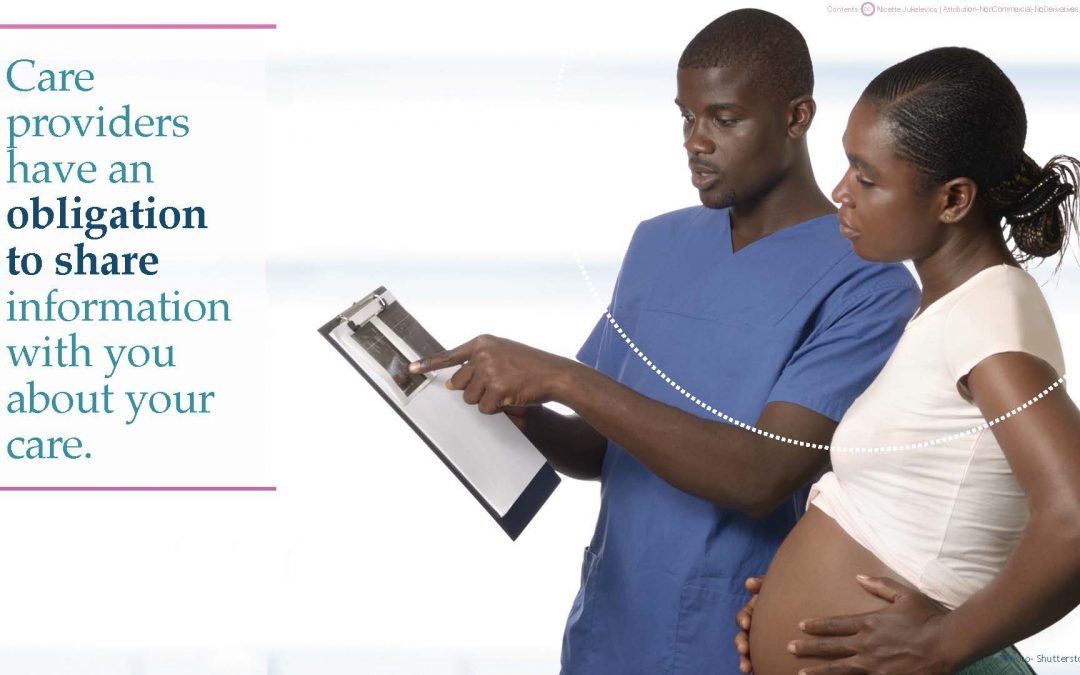
Many mothers, pregnant after a prior cesarean birth, feel pressured to schedule a routine repeat cesarean when they prefer to labor for a VBAC. Care providers have an obligation to share information with you about your care. To present the risks and benefits of planning a VBAC or choosing a routine repeat cesarean. When you have received all the information you need to feel confident to make a decision, the choice is yours. No provider should frighten or coerce you into having a routine repeat cesarean.The decision to have a repeat cesarean or labor for a VBAC is yours. Prenatal visits give...

Nurses Play A Significant Role in Supporting VBAC Mothers
May 6-12, 2017 is National Nurses Week, a time to recognize, appreciate, and celebrate the important work that nurses do. In particular, maternity care nurses play a significant role in helping mothers who want to labor for a VBAC. Women laboring for a VBAC may have some anxiety about their prior cesarean and may need additional support. They are grateful for the encouragement, validation, and labor progress suggestions that nurses can provide. Many times mothers have said, “My nurse was wonderful. Just when I wanted to quit and ask for another cesarean, she told me things were going just as...
Maternity Care Professionals Agree on How Best to Care for Women in Labor
Failure to progress, abnormal fetal heart rate, malposition, and “big” baby are the four main reasons for the first cesarean. These complications can often be avoided by the kind of care that women receive prenatally and during labor and birth. The American College of Obstetricians and Gynecologists (ACOG), the American College of Nurse-Midwives (ACNM), and the Association of Women’s Health, Obstetric and Neonatal Nurses (AWHONN) agree, “Many common obstetric practices are of limited or uncertain benefit for low-risk women in spontaneous labor…Rather than label a woman as low-risk or...
VBAC Rights
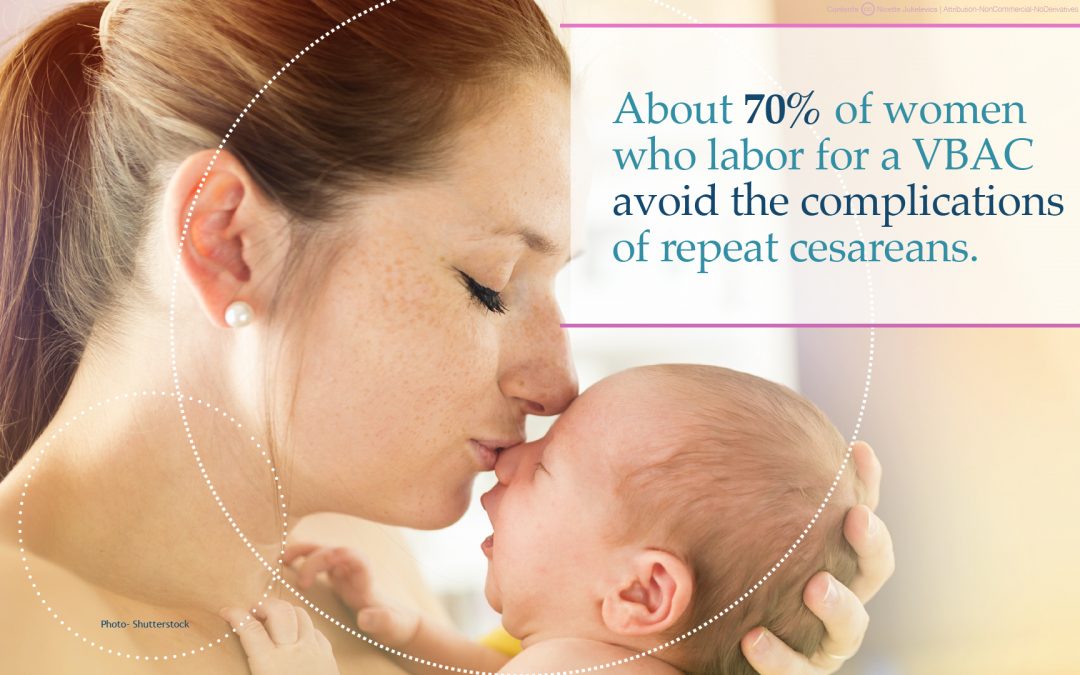
The evidence for the safety of VBAC is clear. Guidelines exist for physicians and hospitals to provide care for women who choose to labor for a VBAC. About 70% of women who labor for a VBAC give birth safely. Yet, there seems to be a lack of will to change current practice and support women’s choice for VBAC. Many hospitals in the U.S. choose not to provide care for women who want to labor for a VBAC. In 2014 only 12% of U.S. women had a VBAC. The downstream effects of repeat cesareans put mothers and babies at increased risk for complications. Support for VBAC minimizes these harms. Women...
Understanding the Dangers of Cesarean Birth: Making Informed Decisions
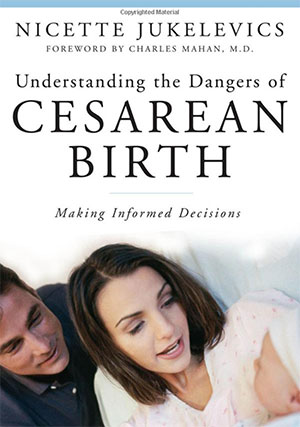
By: Nicette Jukelevics
Foreword by
Charles Mahan, M.D.
Critically examines the increasing use of cesarean deliveries for childbirth, the risks, outcomes, and other issues women need to consider to make an informed decision whether to have a natural birth or a cesarean.