Blog
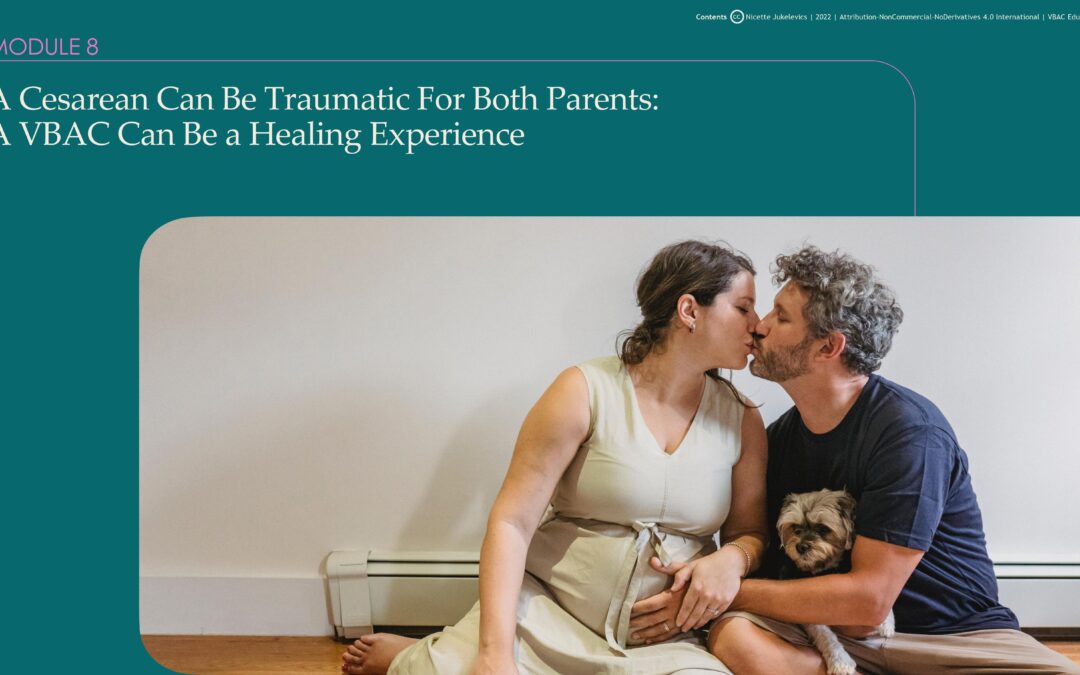
Introducing Module 9 – A Cesarean Can Be Traumatic for Both Parents: A VBAC Can Be a Healing Experience
Discover how Module 9 of the VBAC Education Project helps parents heal from a traumatic cesarean birth and confidently plan a VBAC. Gain insights on postpartum depression, post-traumatic stress disorder, and supporting fathers/partners. Download for free from vbac.com.
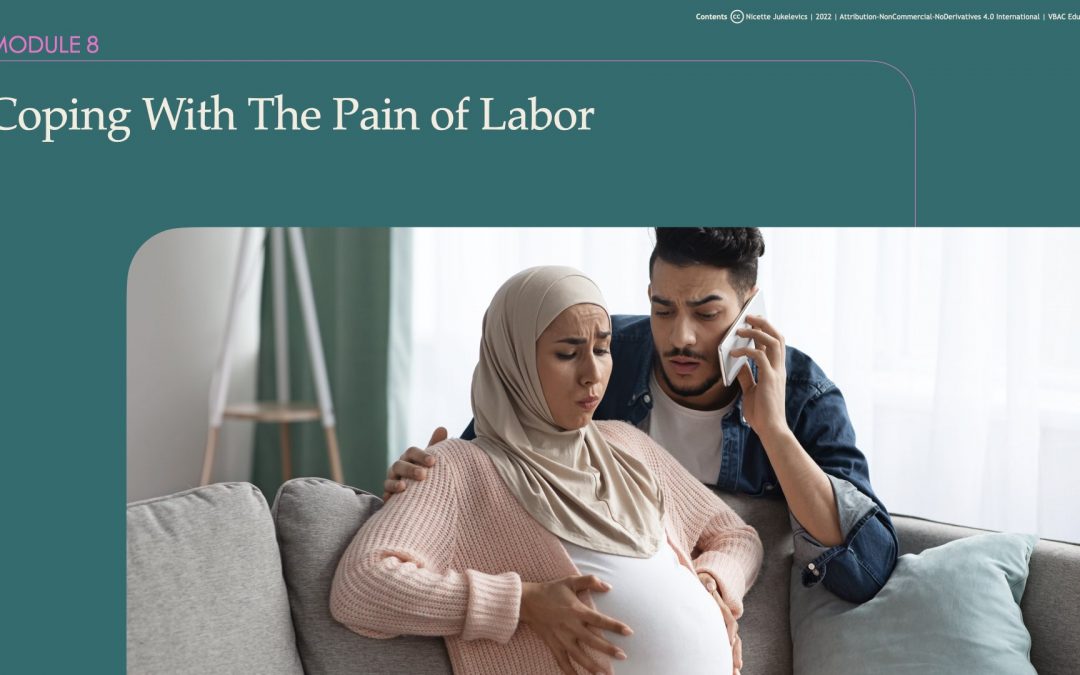
Coping With the Pain When Laboring for a VBAC
Module 8 includes the benefits and downsides of a full range of non-drug options for pain relief and pharmacologic interventions.
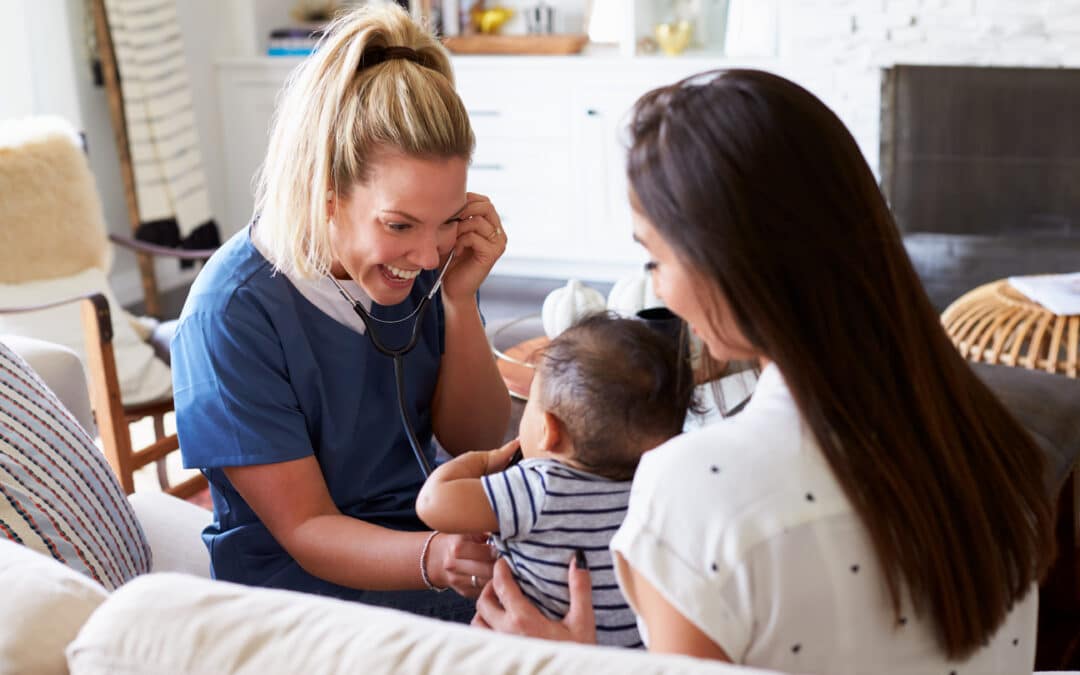
Midwifery Care: The Best Choice for Most Healthy Pregnant People
Pregnancy and childbirth are normal life events that require careful monitoring but not routine medical interventions. The midwifery model of care provides individualized and non-interventional approaches to care for pregnant women, resulting in numerous benefits for both mothers and babies. Where Do Midwives Practice?Midwives, including Certified Nurse Midwives (CNMs), Certified Professional Midwives (CPMs), and Certified Midwives (CMs), provide care in hospitals, birth centers, or homes, depending on their training and licensing status. CPMs support home birth exclusively. Midwives...
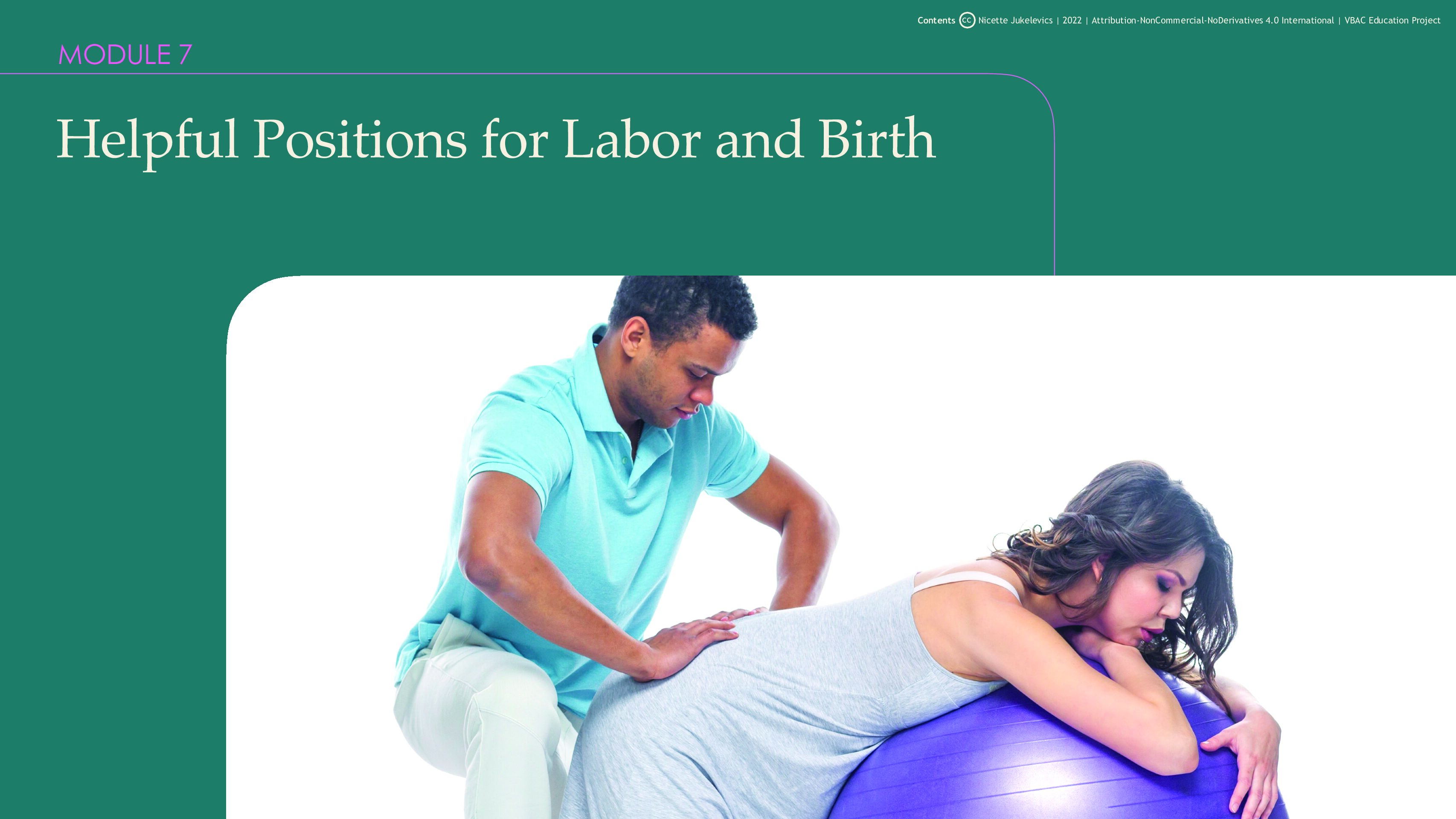
Improve Your Odds for a VBAC by Moving and Changing Positions During Labor and Birth
Being upright, moving, and using different positions during labor and birth can improve your chances of having a VBAC. We have just published Helpful Positions for Labor and Birth, Module 7 of the educational slide set of the VBAC Education Project. This learning module includes many options for birth positions that can reduce pain, make your contractions more efficient, and shorten your labor. Download it as a pdf. It’s FREE. Being Upright During Labor Helps Labor Progress Your sacrum is a large, triangular bone at the base of the spine. Being upright widens the pelvic diameter and...
The Four Main Reasons for a First Cesarean: What You Can Do Differently This Time
We have just published Module 6 of the slide set, VBAC- A Safe Alternative to Cesarean Section. The Four Main Reasons for a First Cesarean includes comprehensive information about the four most common reasons for performing a primary cesarean. Download Module 6 as a pdf. It’s free. These are the four main reasons for performing a primary cesarean: • Failure to progress/non-progressing labor.• Abnormal fetal heart rate tracings.• Malpresentation, breech. • Macrosomia, “big” baby. The number of low-risk women who have a primary cesarean for these four reasons varies as much as 10-fold across...
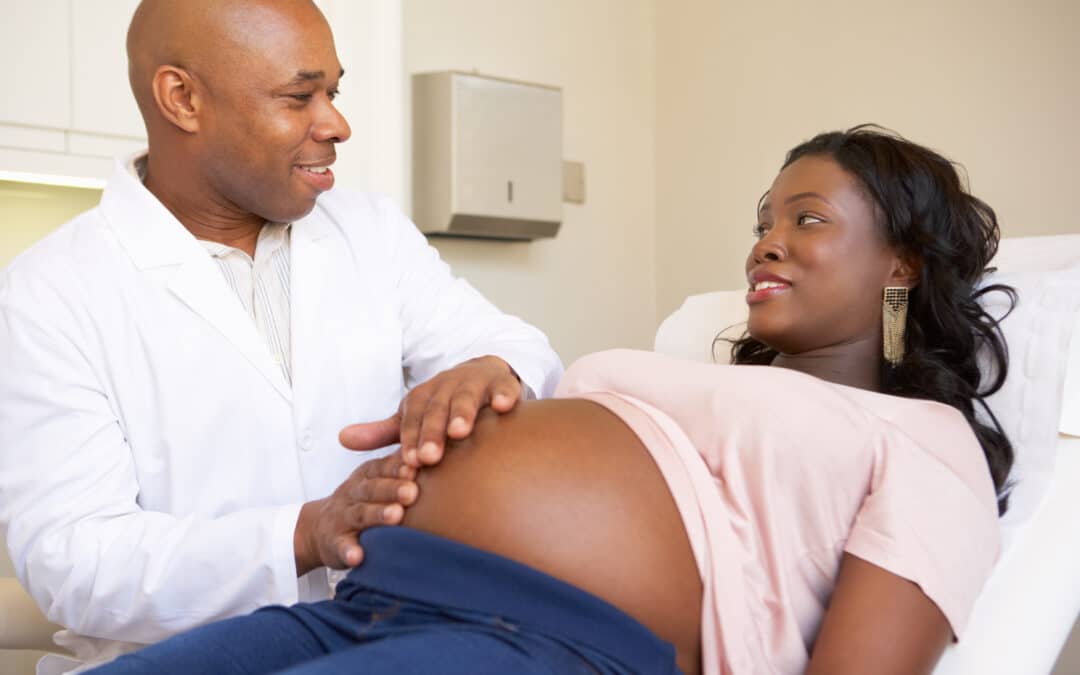
What Is a Uterine Scar Rupture and How Often Does It Occur?
Vaginal birth after cesarean (VBAC) is a safe alternative to a routine repeat cesarean and is recommended as an option by the world’s leading professional associations of obstetricians and gynecologists. Evidence tells us that about 70 to 75 percent of women who labor for a VBAC give birth safely. However, for about 1 in 200, the cesarean scar on the uterus may separate. A uterine scar rupture is a serious complication that can occur during pregnancy or labor and is characterized by a tear in the wall of the uterus. A complete uterine scar rupture is a rare, but potentially serious...

Introducing the Redesigned VBAC.com: Your Trusted Resource for Birth Options After Cesarean
We are excited to announce the launch of the newly redesigned VBAC.com and the updated VBAC Education Project available for free as a pdf download! Whether you're looking to VBAC, or considering a repeat cesarean, we have the evidence-based information you need to make informed decisions about your birth options. VBAC- A Safe Alternative to Repeat Cesarean is a comprehensive educational slide set that provides parents with information and guidance about where and with whom they can give birth after a prior cesarean. VBAC- A Safe Alternative to Repeat Cesarean is a volunteer project. We...
VBAC: A Safe Alternative to Repeat Cesarean
Welcome to the Introduction and Module 1 release of VBAC: A Safe Alternative to Repeat Cesarean, the update to the 2015 publication of the VBAC Education Project. We will be releasing the remaining 12 Modules in the near future. The VBAC Education Project (VEP) was designed to provide transparency, clarity, support, and guidance regarding birth options available to pregnant families with a prior cesarean birth. Our hope is to empower expectant parents and to support them in making their own decisions about how to give birth this time. Here is a review of the upcoming edition soon to be...
We Are Excited to Announce That We Are Updating Our Website and The VBAC Education Project
Thank you to the community of parents and birth professionals who have supported VBAC.com since 1998. Cesarean section is a life-saving intervention but is sometimes performed without a woman's true consent. Today, more than ever, expectant families need access to information they can trust to plan and experience the safe and empowering birth that is right for them. So VBAC.com will continue to update the evidence on childbirth practices and provide mothers and birthing families with the tools they need to advocate for their own best birth. Look for our redesigned website in the next few...

Have You Been Told You Can’t Have A VBAC?
If you have been told that you are a poor "candidate" for a VBAC or that it's "too dangerous," it may have nothing to do with your medical situation. It may have something to do with a variety of reasons which have nothing to do with the medical evidence. In the United States, because there is no accountability as yet for performing routine repeat cesareans physicians and/or hospitals can deny you access to care for liability reasons, financial reasons, or because caregivers can't afford to wait for you to give birth while you labor for a VBAC. A recent U.S. survey of California childbearing...
Understanding the Dangers of Cesarean Birth: Making Informed Decisions
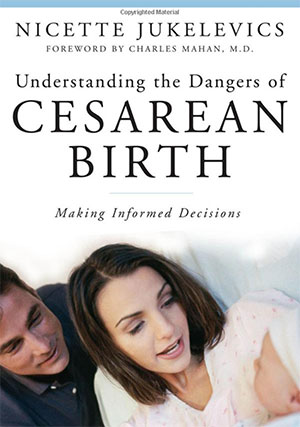
By: Nicette Jukelevics
Foreword by
Charles Mahan, M.D.
Critically examines the increasing use of cesarean deliveries for childbirth, the risks, outcomes, and other issues women need to consider to make an informed decision whether to have a natural birth or a cesarean.